Tag: History

  • Roosevelt Ancestral Home

    Roosevelt Ancestral Home

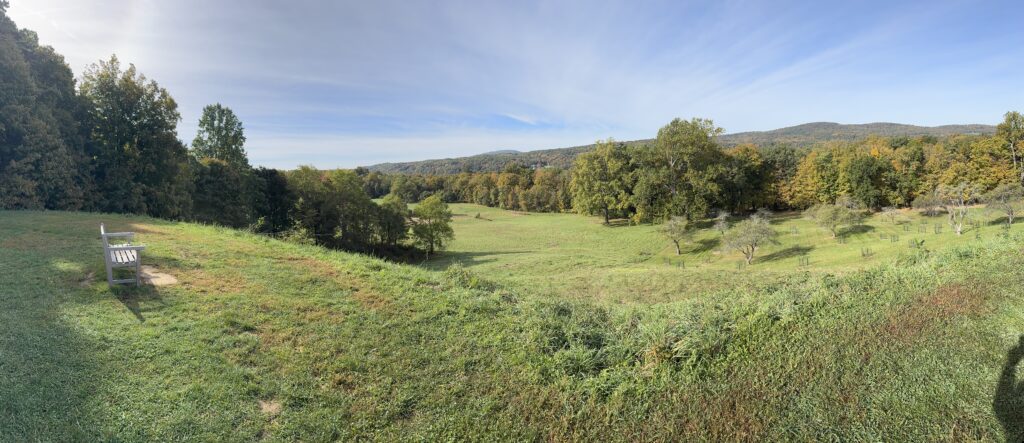
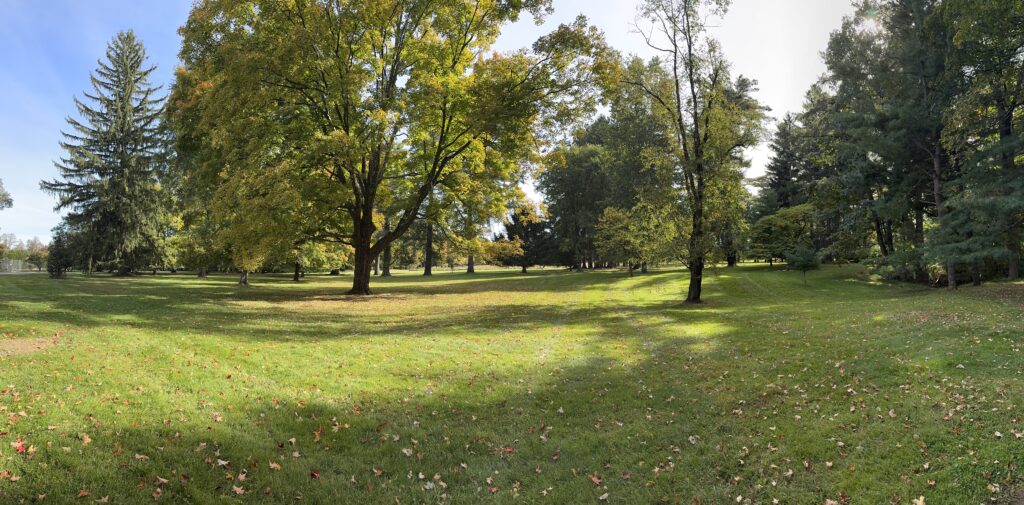
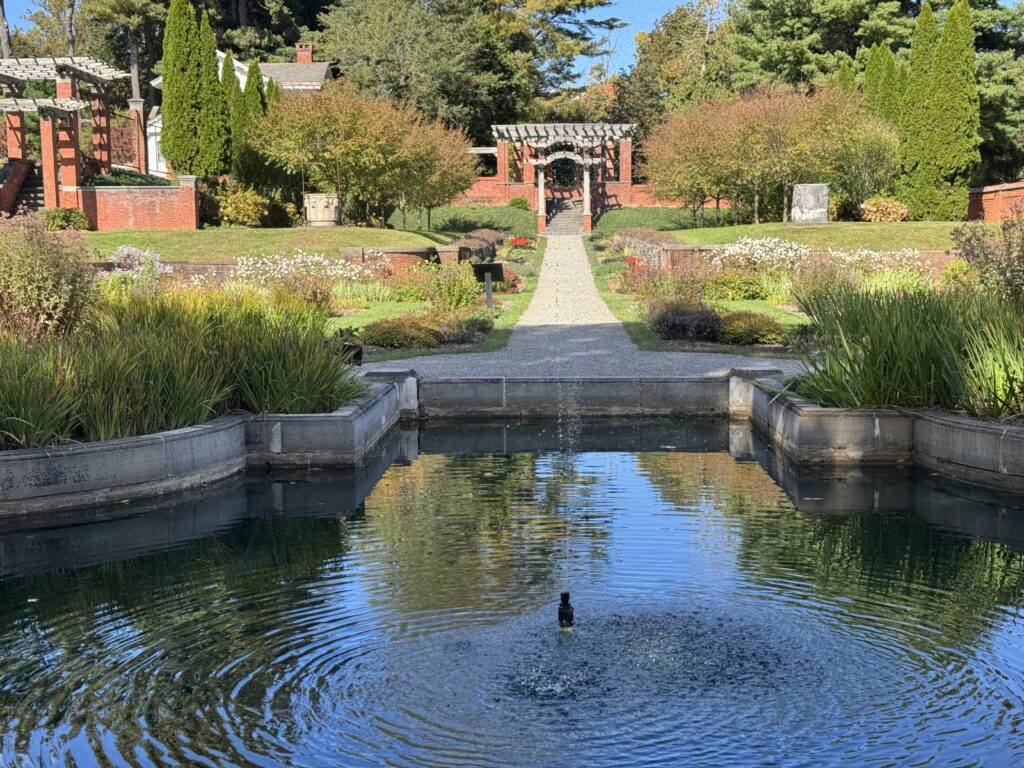
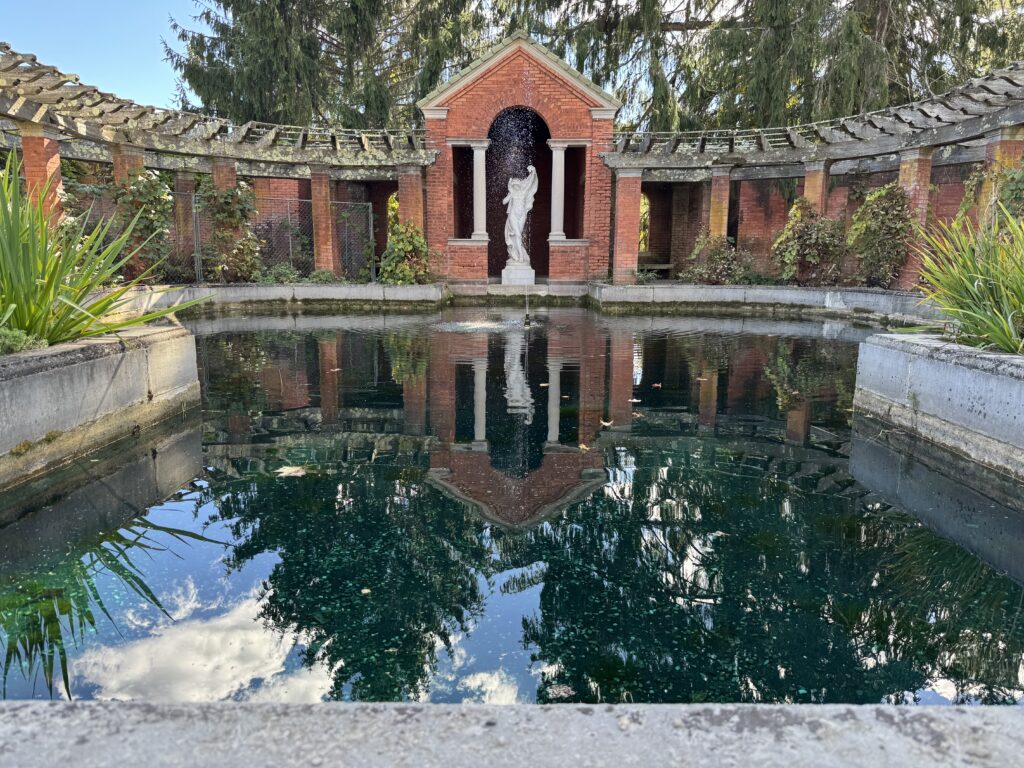
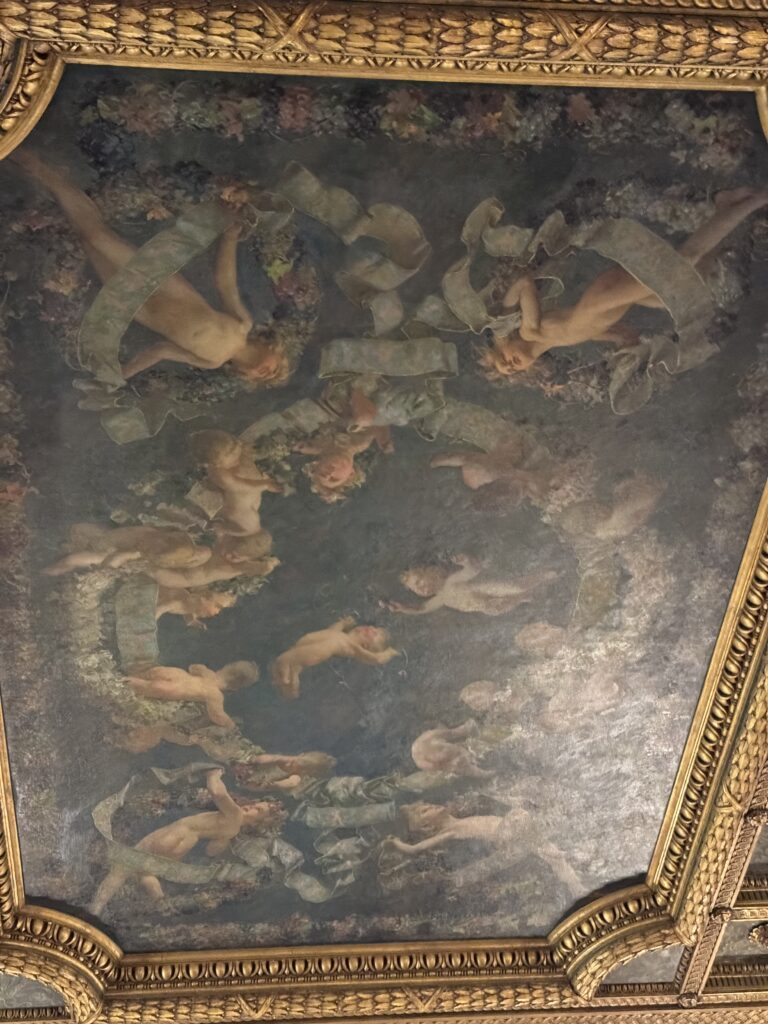
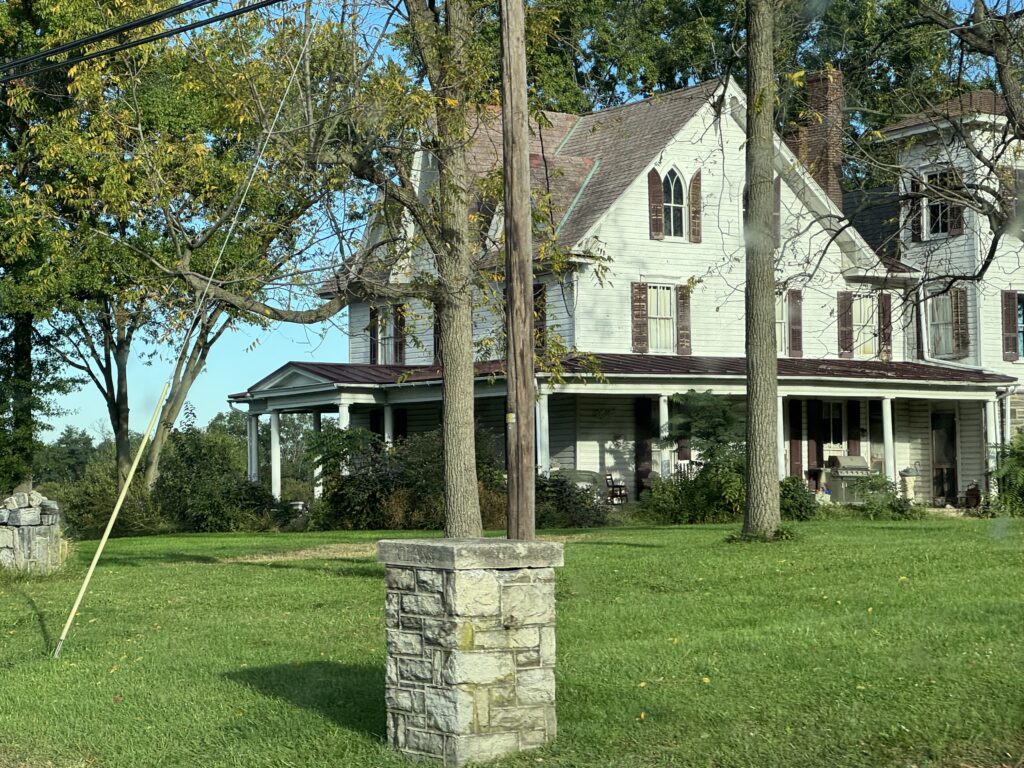
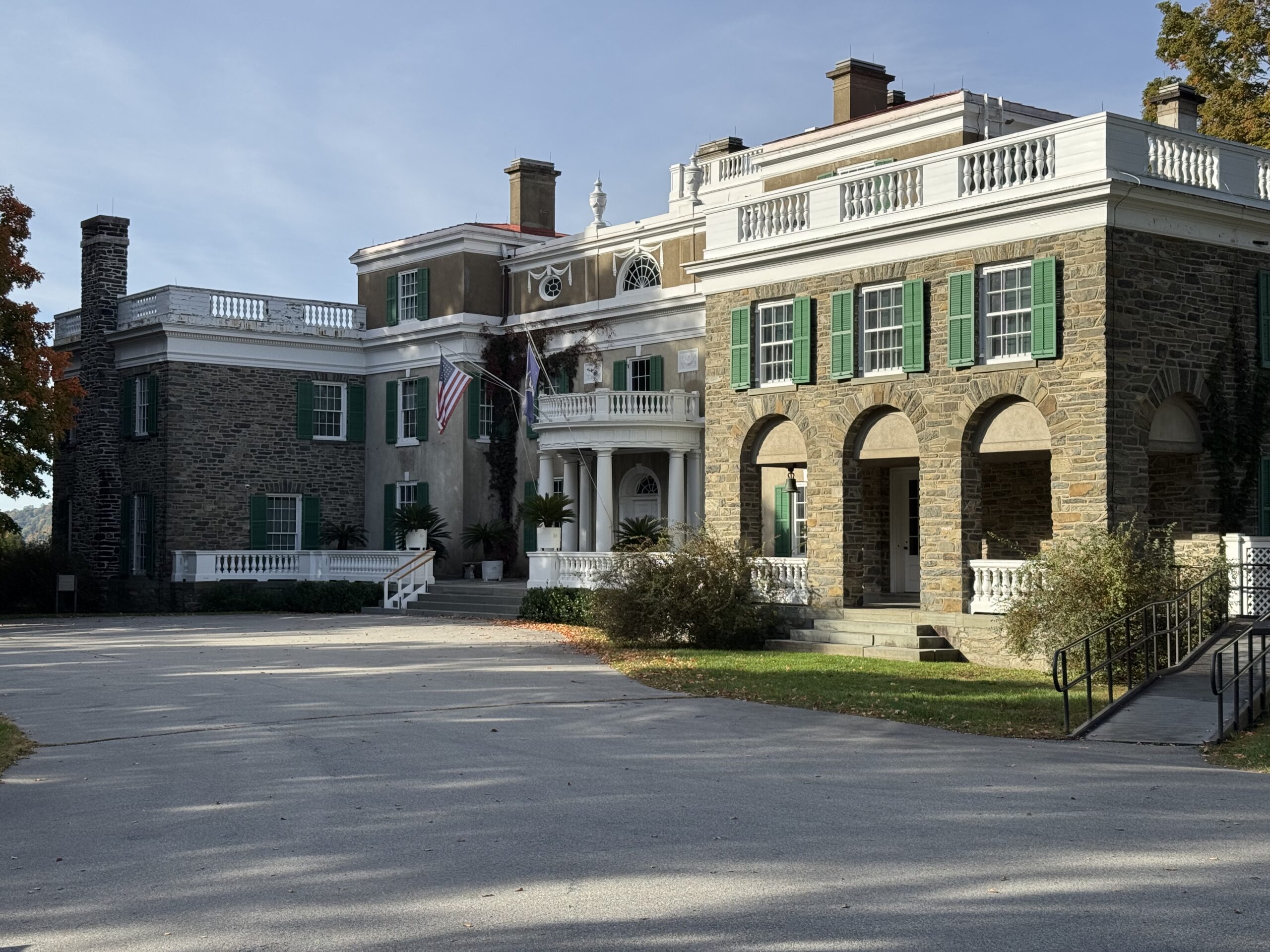
    The Roosevelts had a lovely country home on the bluffs overlooking the Hudson River. Just down the road a mile or so were the Vanderbilts, with whom you are acquainted. There is no documentation of Frank Wright’s involvement in the design of the home, even though it is a detached single family residence, like those Frank likes to draw.

    A young boy named Franklin Delano Roosevelt grew up at the home in Hyde Park.It was an idyllic boyhood, filled with every wish fabulously wealthy parents could fulfill, which was all of them.

    He developed an intense interest in ornithology, culminating in his crowning achievement of killing at least one of every bird species native to the estate. Then his mother commissioned a taxidermist to preserve them, so the family could adorn their dwelling with the little carcasses.

    Franklin also developed an interest in sailing ships. He acquired a vast collection of paintings, etchings, line drawings, and engravings of naval vessels both large and small.

    As a young adult, Franklin attended (and graduated from) Harvard, a school in Boston. After graduation, he attended Columbia Law School (but did not graduate). Despite this inconsistent academic performance, he made significant contributions in two primary areas.

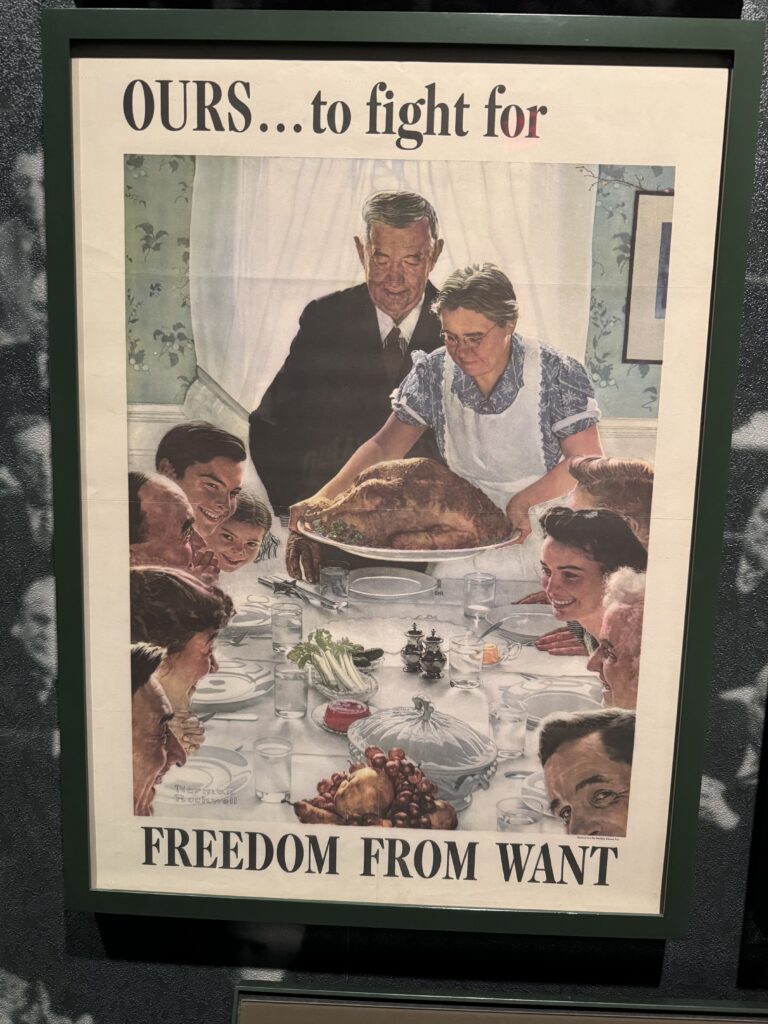
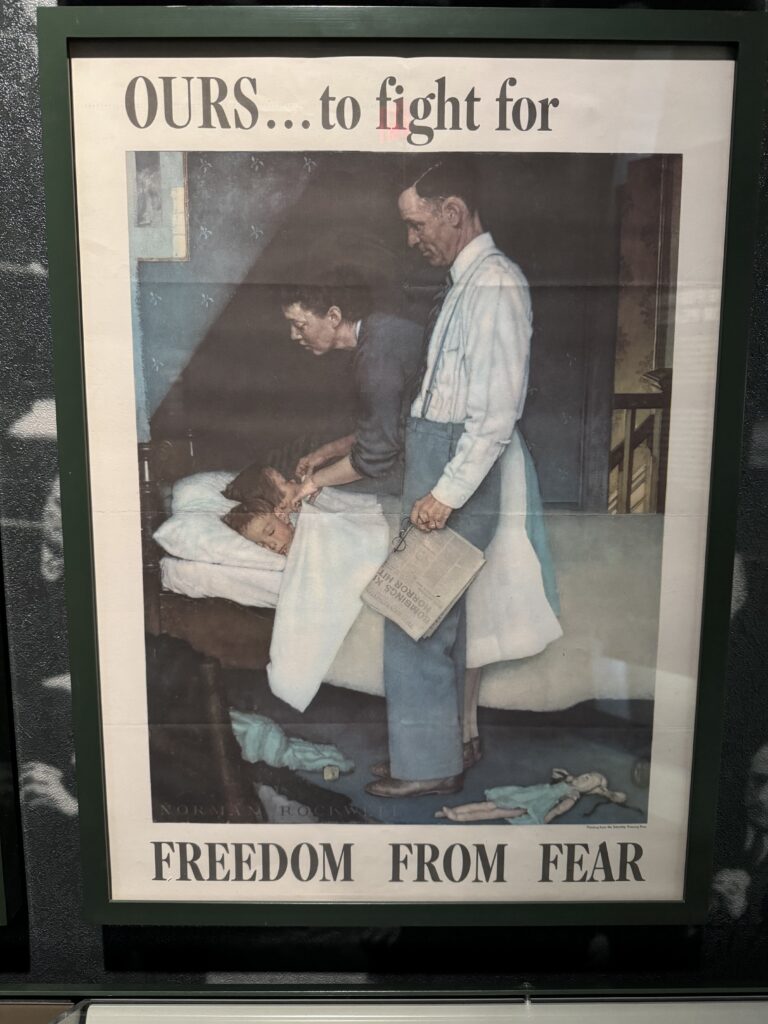
    In psychology, Franklin demolished the conventional paradigm concerning phobias. At that time, psychologists were under the impression that people could develop fears of practically anything. Much to the consternation of the field, Franklin demonstrated conclusively that there is only one thing to fear.

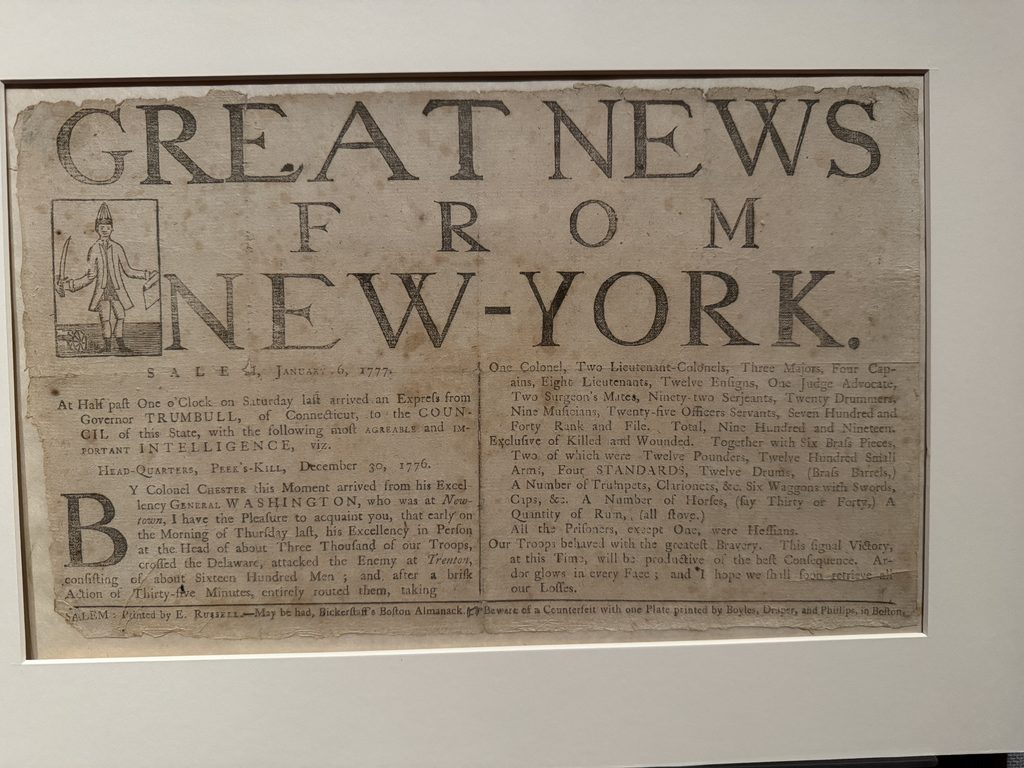
    Franklin also experienced a degree of success in politics. He is frequently credited with being instrumental in the fundamental restructuring of the American economy (and therefore the world economy, because they are the same thing), jurisprudence and governance. Additionally, his name often comes up when discussing the mid-twentieth century efforts to vanquish fascism. In fact, so thoroughly was fascism vanquished that it did not re-surface for nearly 80 years!
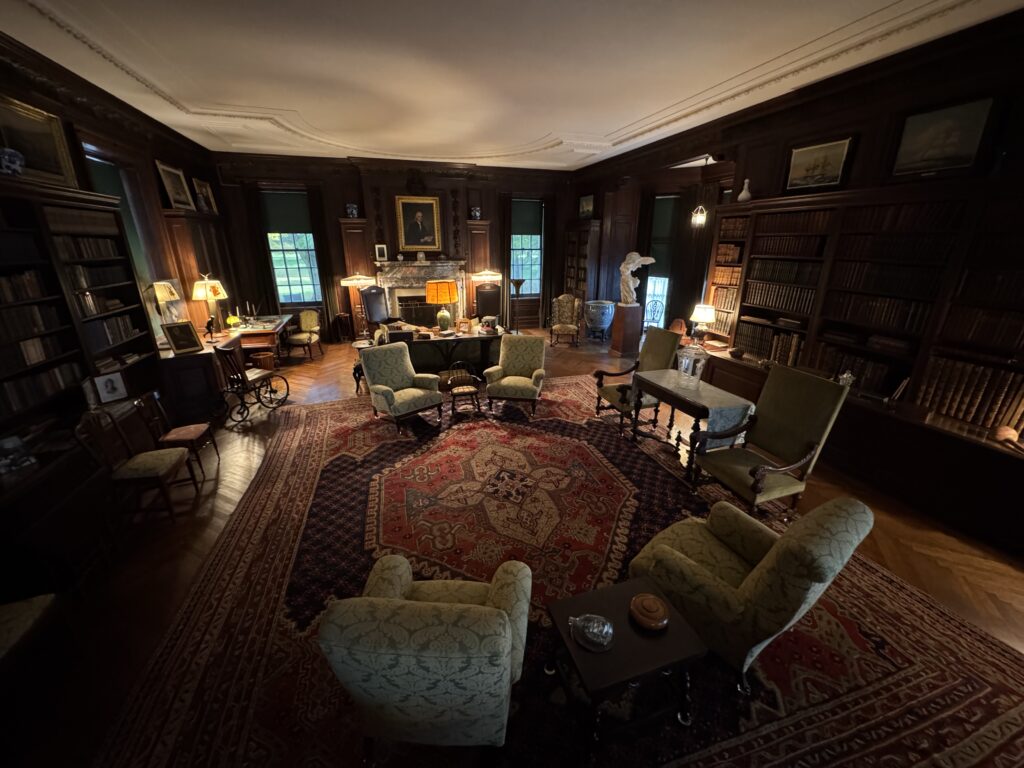
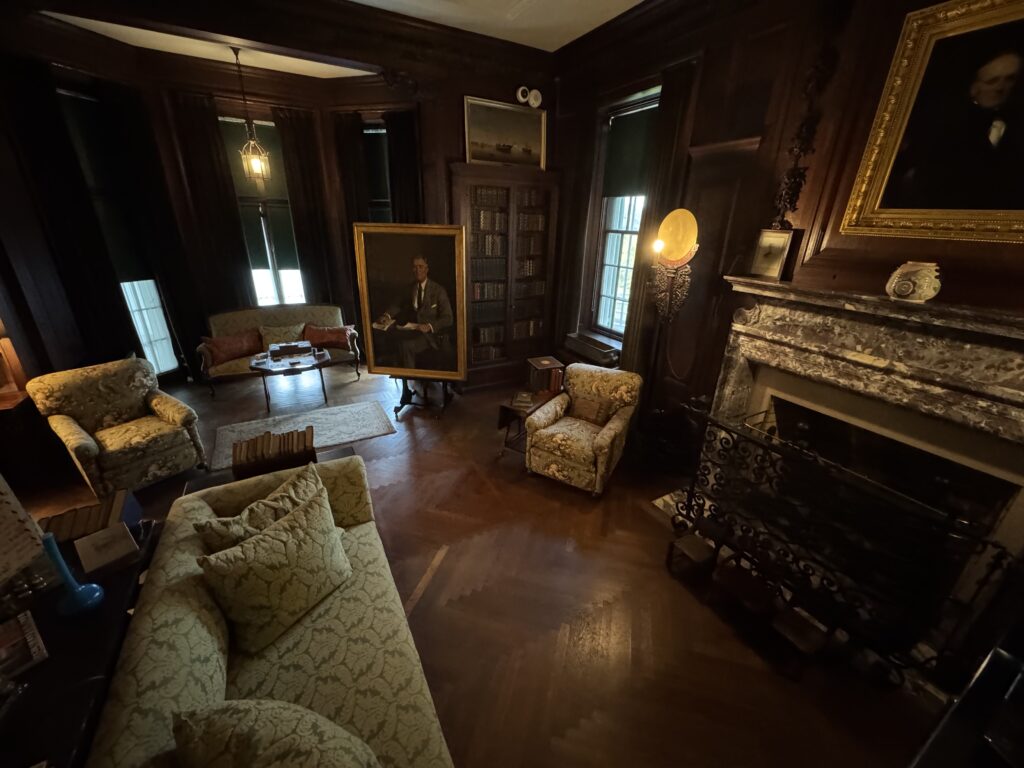
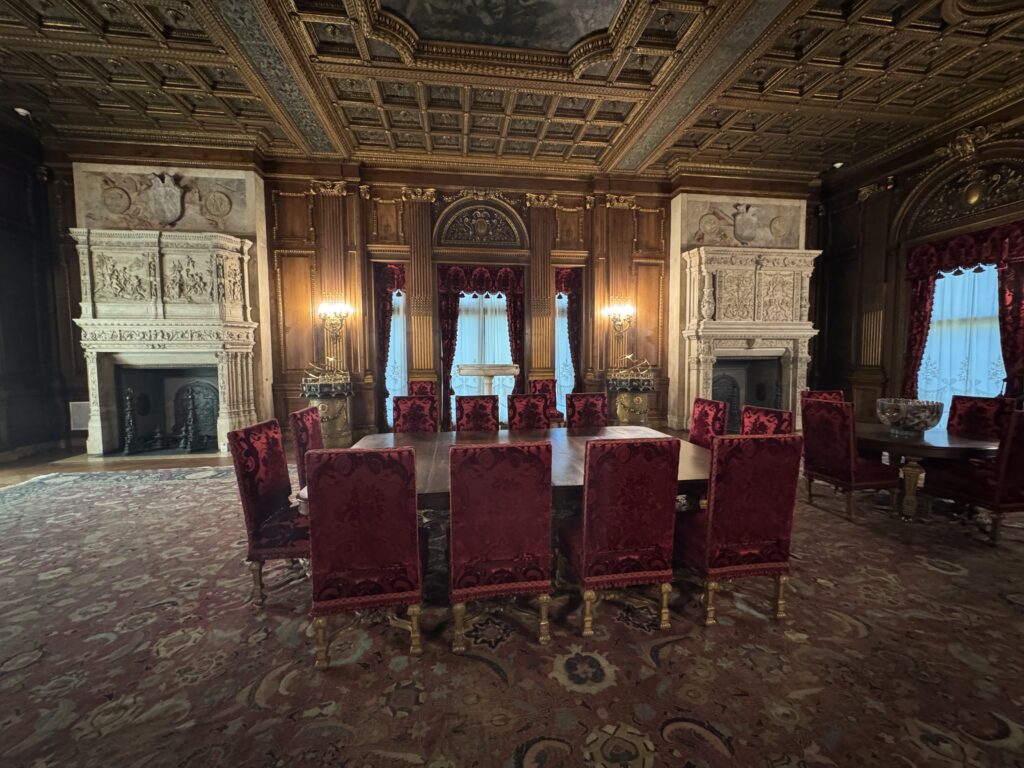
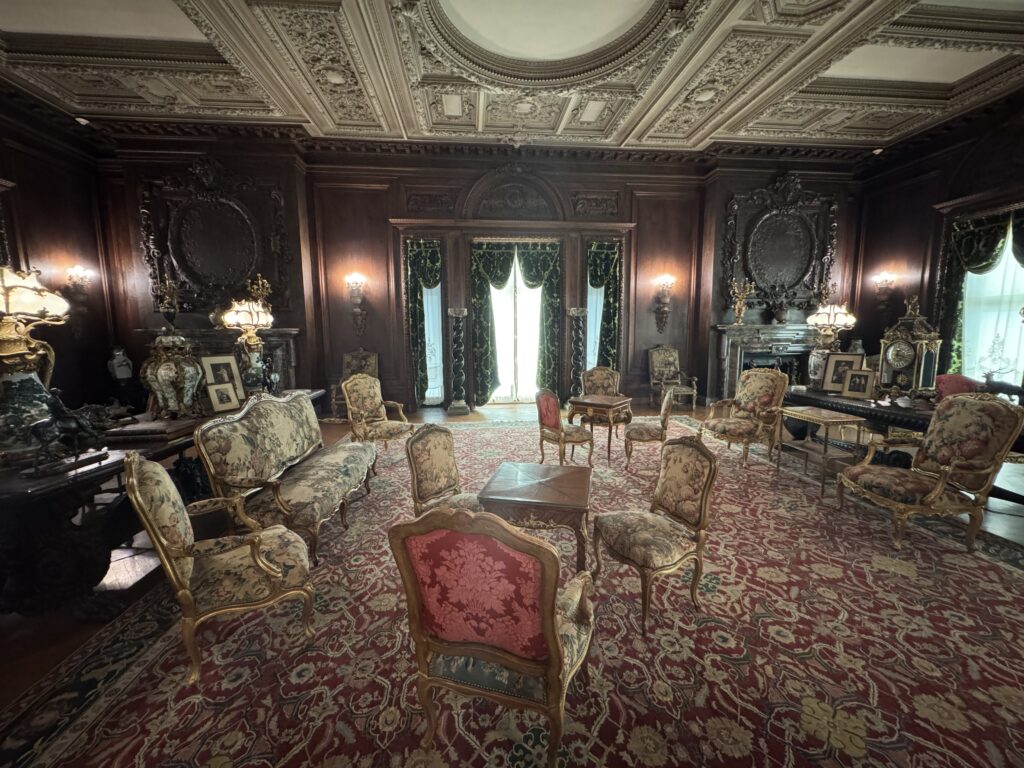
    This is Franklin’s office (the adult Franklin, not the child). Here, friends and neighbors would gather to hear Franklin’s thoughts on psychology and politics.
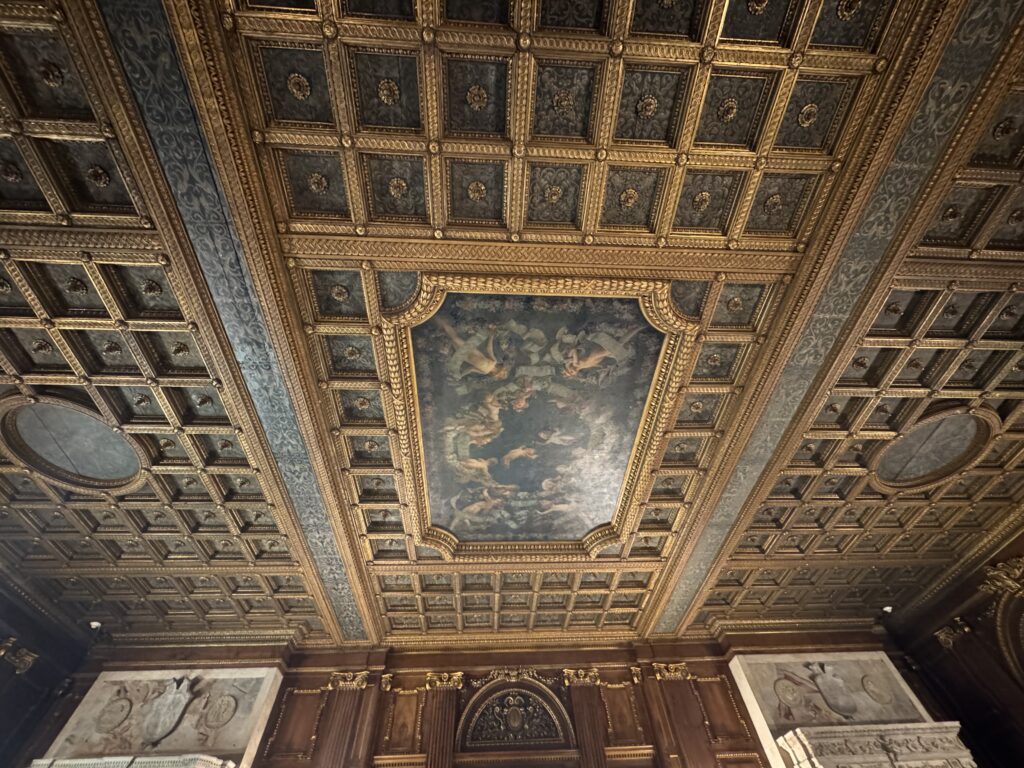
    This is the opposite end of his office. He liked to hang out here with friends and make martinis.
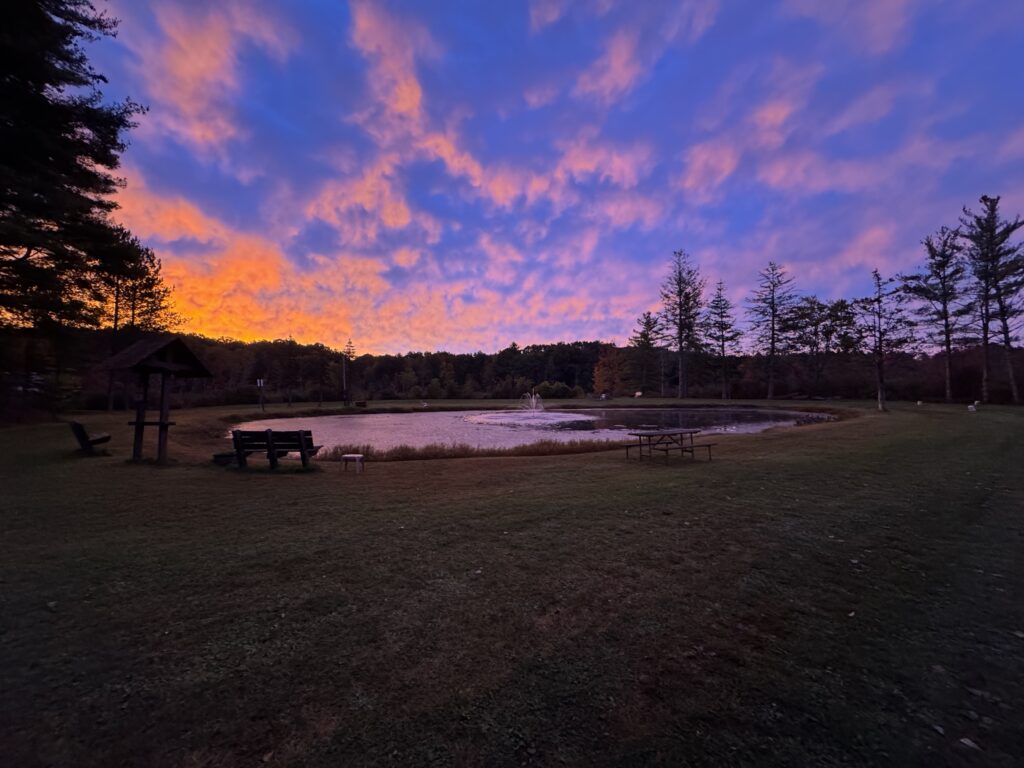
    This was my front yard one early morning when Xena was being a pest and insisting on going out for a walk.
    Fans of Xena clamor for an unending stream of photos. Here she is, demonstrating that cats can look in one direction and listen in a different one.

  • The Vanderbilt Getaway

    The Vanderbilt Getaway

    Hmmm, where to start with the Vanderbilts? The first one was Cornelius. He was born to dirt-poor dirt farmers on Staten Island. When he was 16, he acquired a little sailboat and started a shipping company. One thing led to another and he became wealthy, holding around 5% of the US currency at the time. This made him the sole success story arising from Staten Island.

    Surprisingly for a wealthy person, he was mean and excelled at cheating his business partners and abusing his family. In these endeavors, he was aided by the spiritual mediums he consulted regularly.

    When he died (finally!) he disinherited his daughters and gave the rest to his son, William.

    William liked trains and bought many of them, along with the railroads that ran them. Nicer than his father, he endowed Vanderbilt University (which remains in existence to this very day!), New York’s Metropolitan Opera and the YMCA.

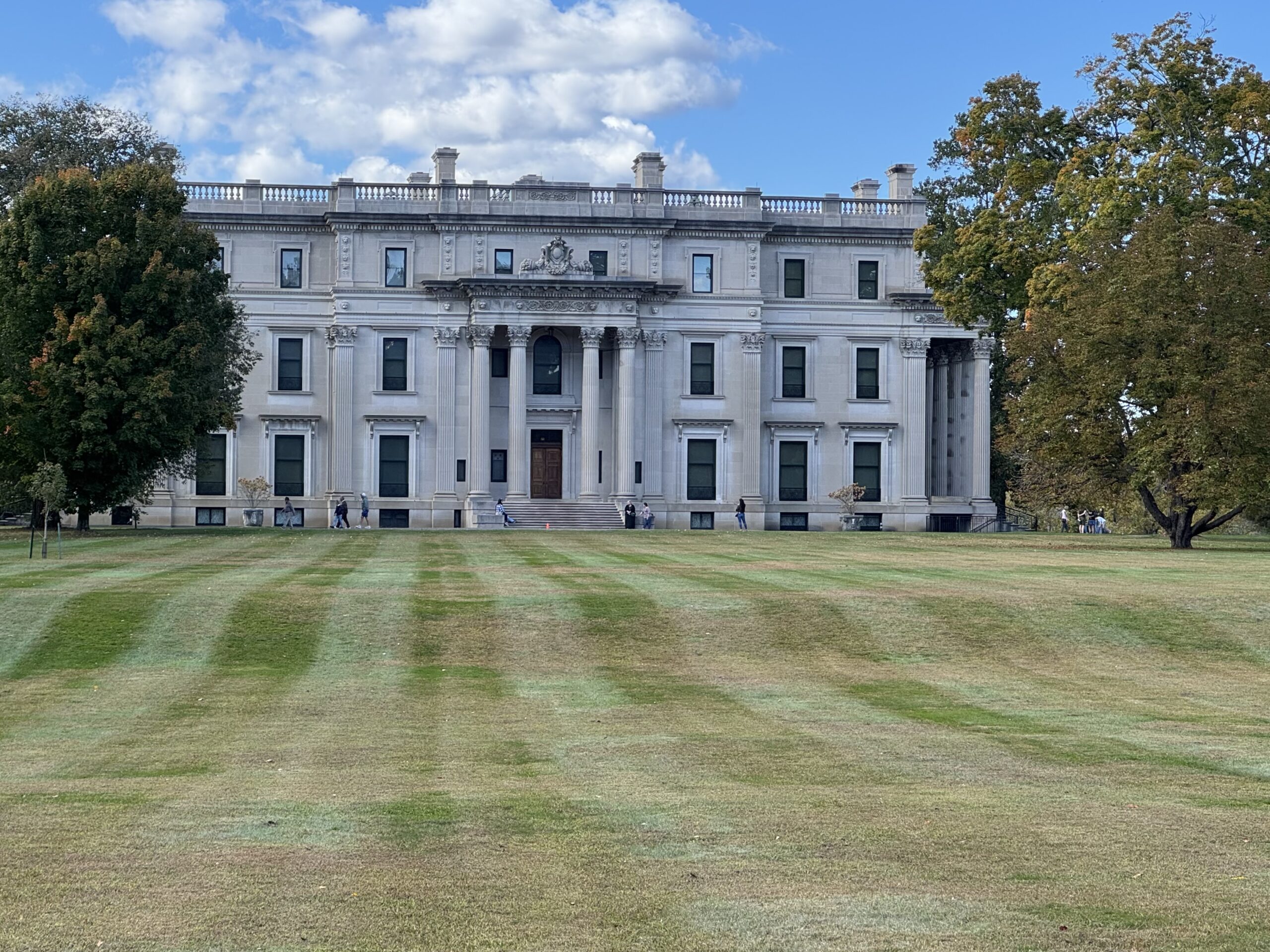
    William had children, among them was Frederick, who inherited a ton of money. He toiled in the family business and also liked gardening, so he bought 600 acres in Hyde Park. Which finally brings us to the cottage. Whew!

    With only 54 rooms, the cottage, which was not designed by Frank Wright, was suitable for short term visits only.
    The cottage has a nice lawn, about 20 acres or so.
    Fred valued his alone time, so the dining room could accommodate only 16. 12 at the main table and 4 at the overflow table.
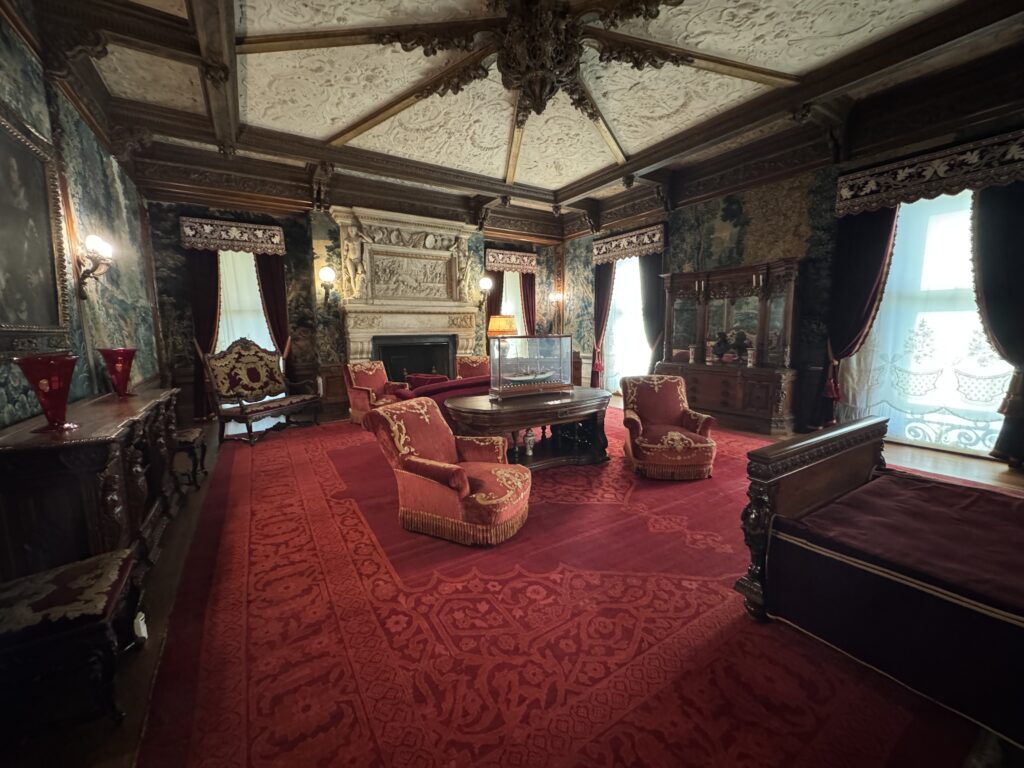
    The cottage was considered innovative at the time, for its inclusion of a “living room.”
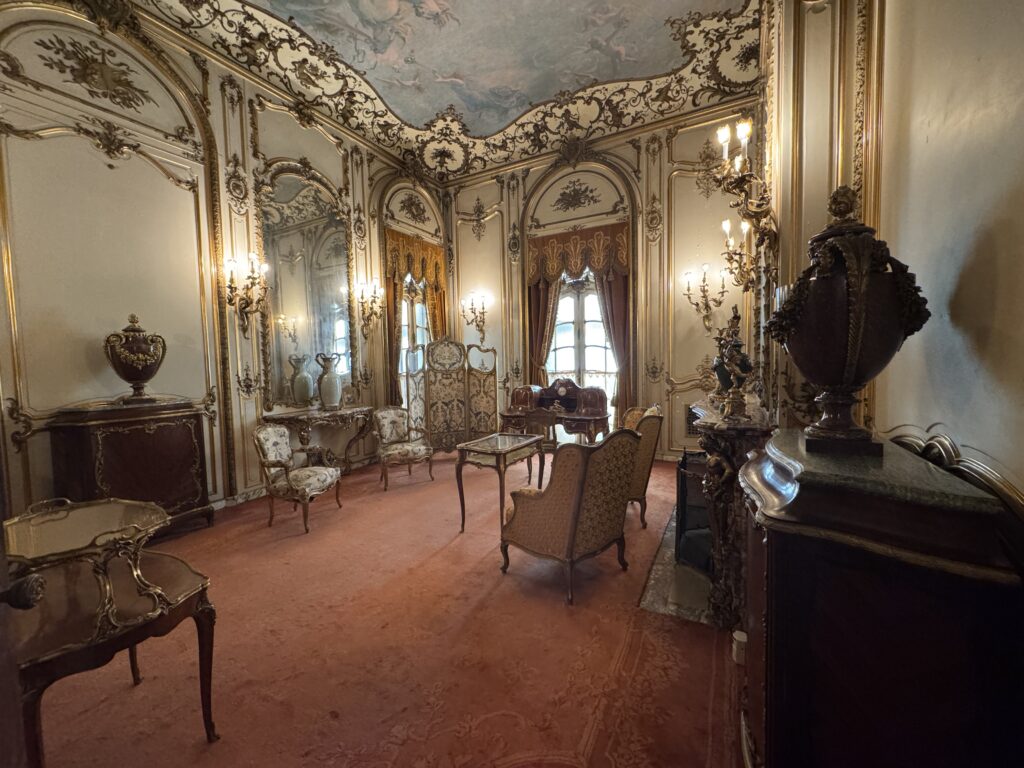
    The Gold Room, used by the women for gossip parties.
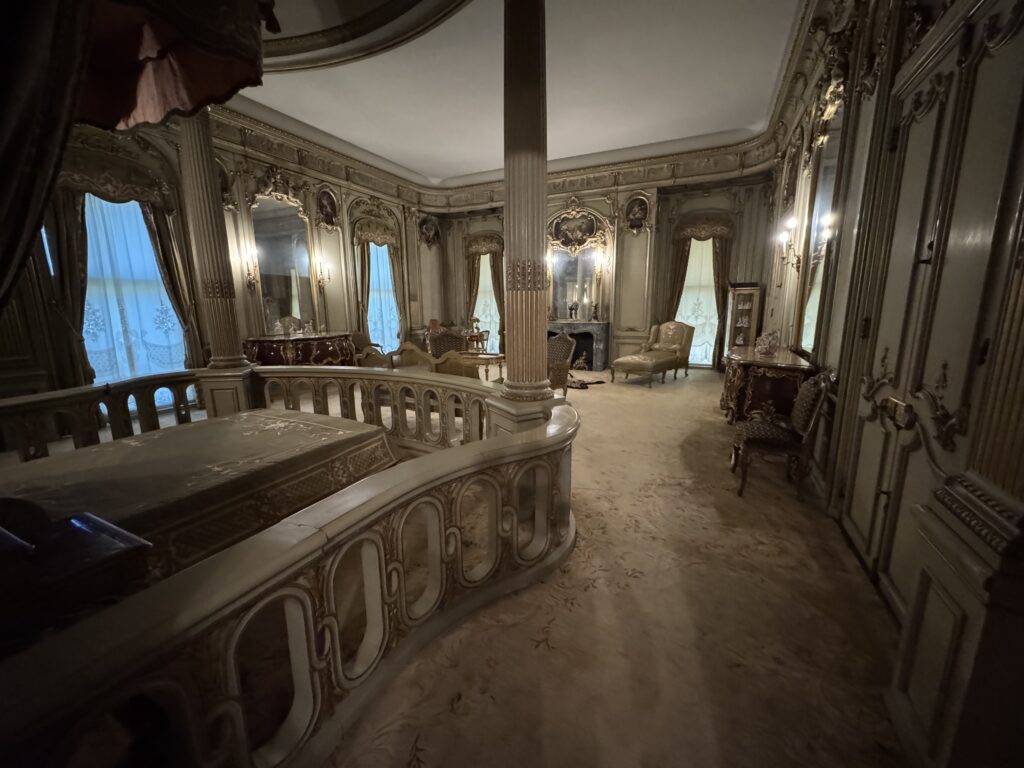
    The bedroom of Louise, Fred’s wife (they didn’t sleep together, because…well…that’s just icky.) She has a barricade around her bed, because Marie Antoinette had one and Louise idolized Marie.
    This is Fred’s bedroom. Early humans were small by modern standards and required only small beds. No California Kings needed. By the way, Fred and Louise strictly adhered to hygiene standards and had fresh sheets after each use, even after a brief nap!
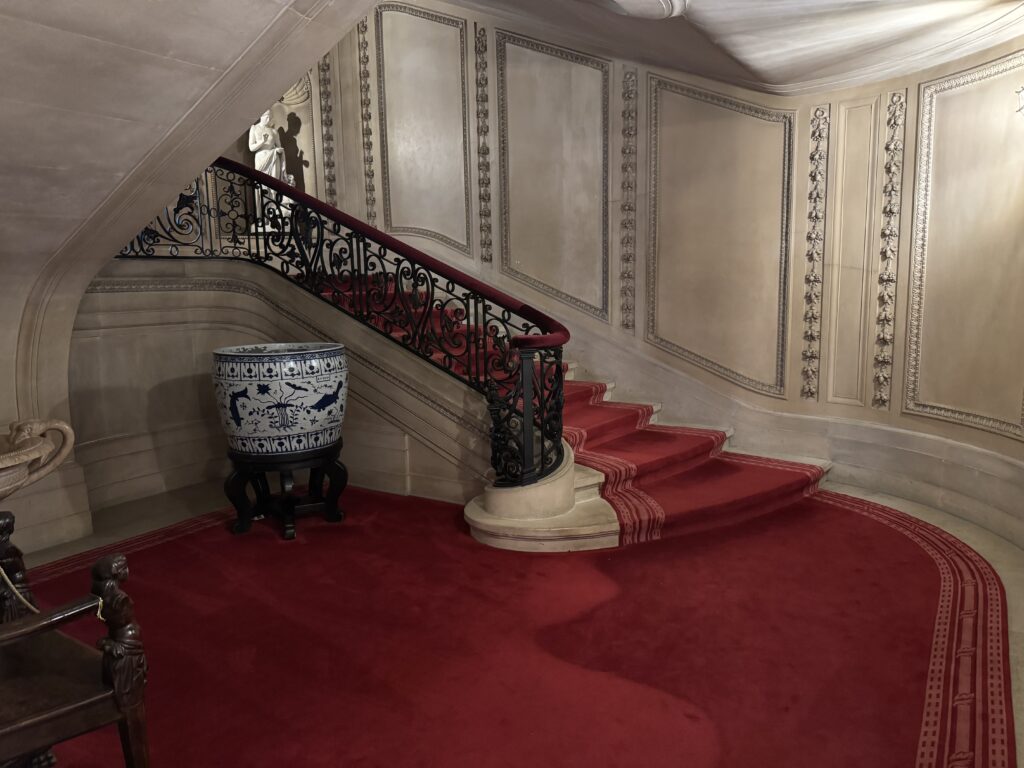
    No house can be without a grand staircase, which the servants (of which there were normally 20) were not permitted to use.
  • The Schismatics of Pennsylvania

    The Schismatics of Pennsylvania

    In 1536, an apostate Catholic priest, Menno Simons, thought believers should be baptized as adults instead of infants. He formed the Mennonites. Professing a belief in adult baptism was a capital crime in those days (as some think it should remain so today), so the authorities rightfully arrested and killed them.

    In 1693, Swiss bishop Jakob Amman yearned for a more demanding and severe form of Christianity than the Mennonites offered, so he formed the Amish (get it? Amman => Amish. In addition to adult baptism, Amish believe that people should wash their feet. They also believe in the social shunning of former Amish, just as Christ prescribed.

    Over time, the Amish tired of being deprived of their property and lives, so they accepted William Penn’s 1681 offer to move to the part of the New World we now know as Pennsylvania.

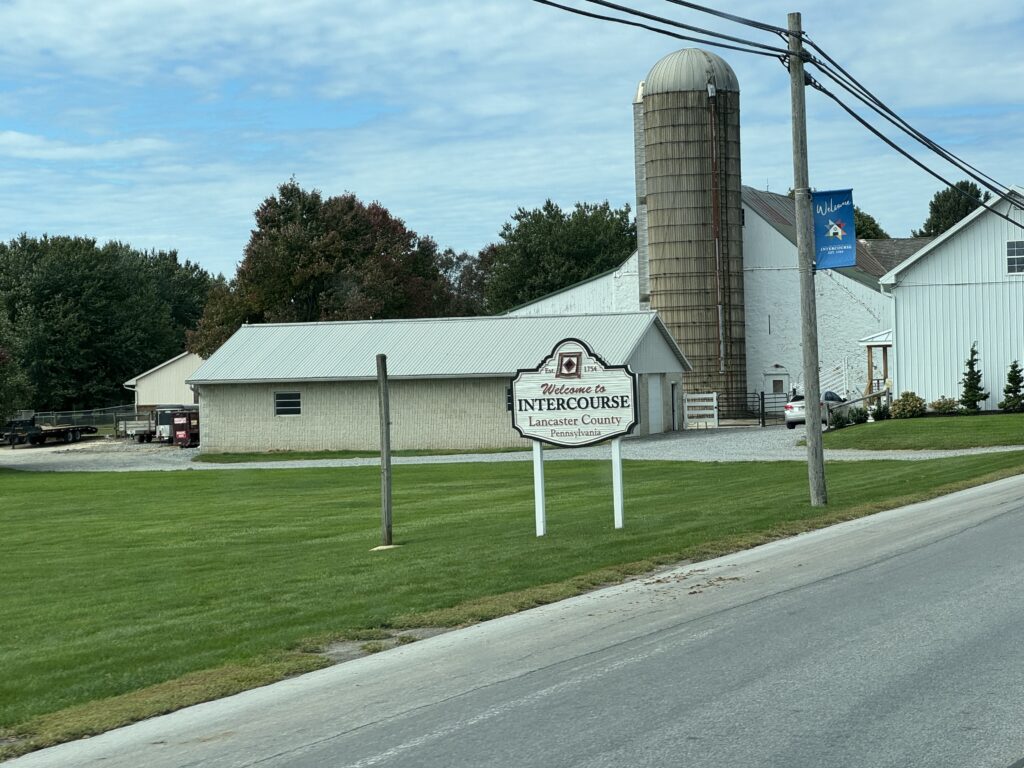
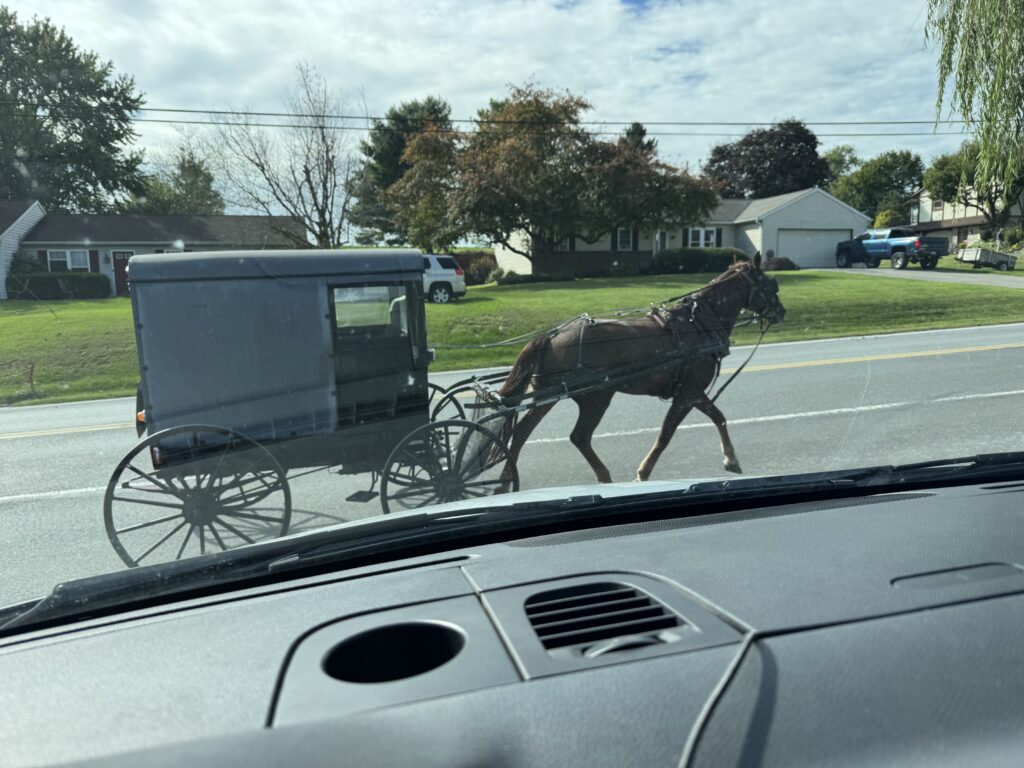
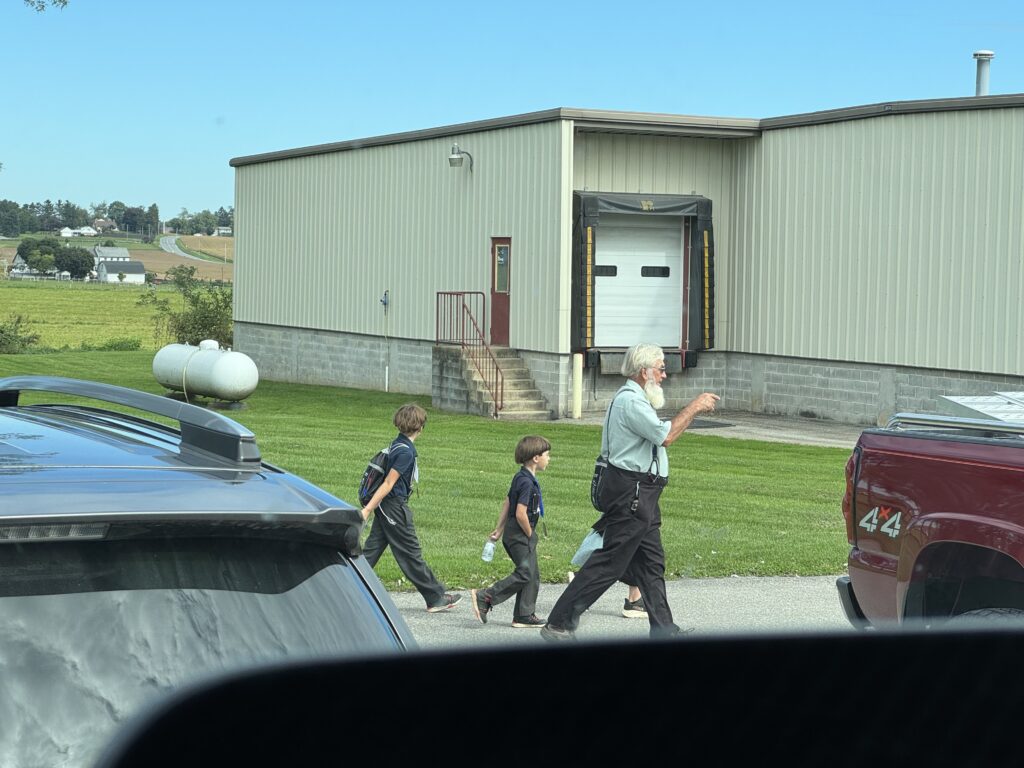
    Upon arrival, the Amish found themselves unable to cope with the hustle and bustle of 17th century Pennsylvania, so they asked Penn for some place further removed from modernity. He sent them to Lancaster, Pennsylvania, where they remain to this day.

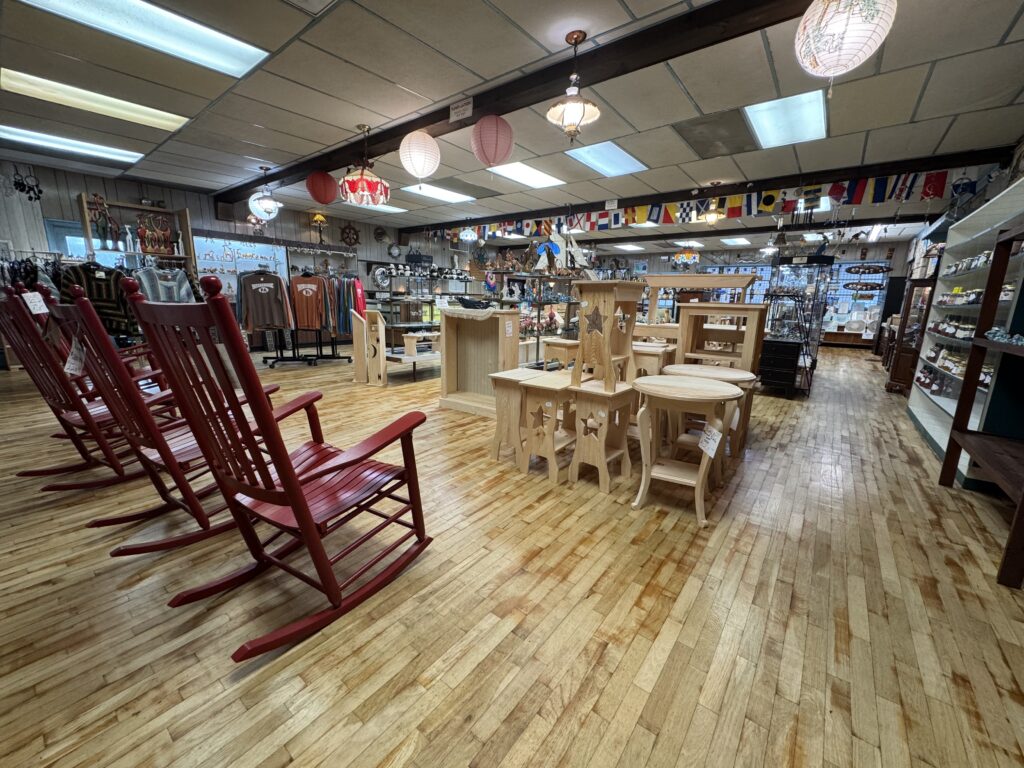
    I don’t know about you, but I think it should be unlawful to sell (alleged) Navajo wares a continent away from the actual Navajo.
    Pennsylvania is experiencing a extreme shortage of musicians, forcing each of the scarce ones to play several instruments simultaneously. Also, Pennsylvanians will happily humiliate themselves for a buck.
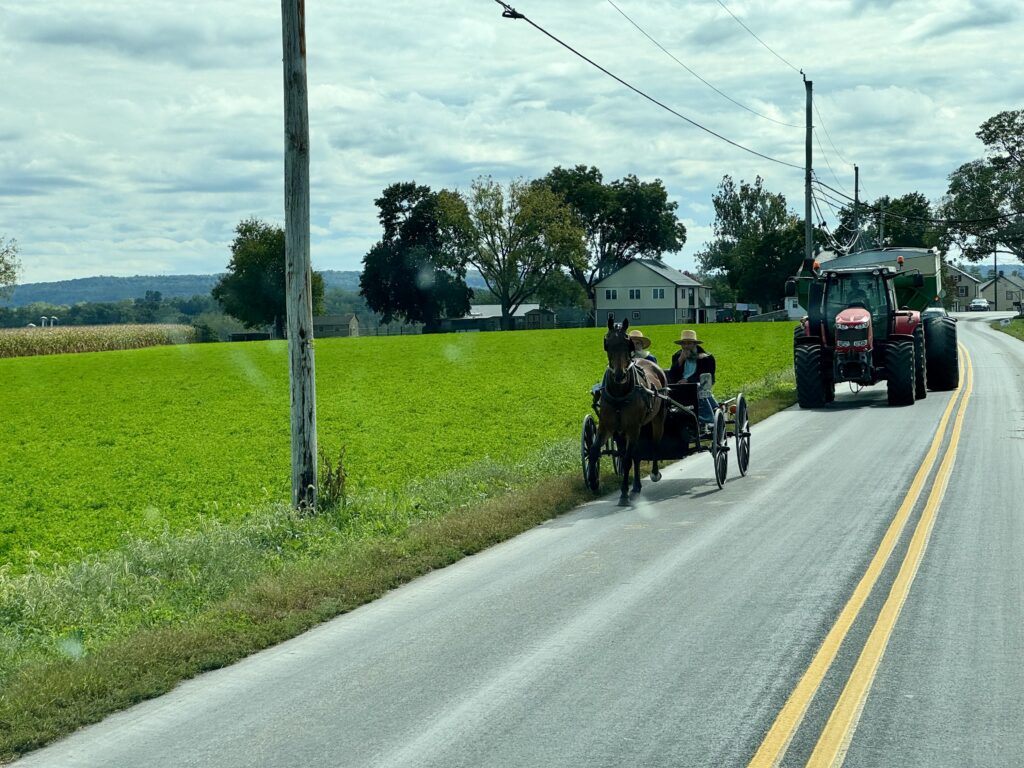
    Pennsylvania has strict rules governing where certain activities can take place. This is to ensure that the appropriate procedures are followed in accordance with the statutes and Scripture.
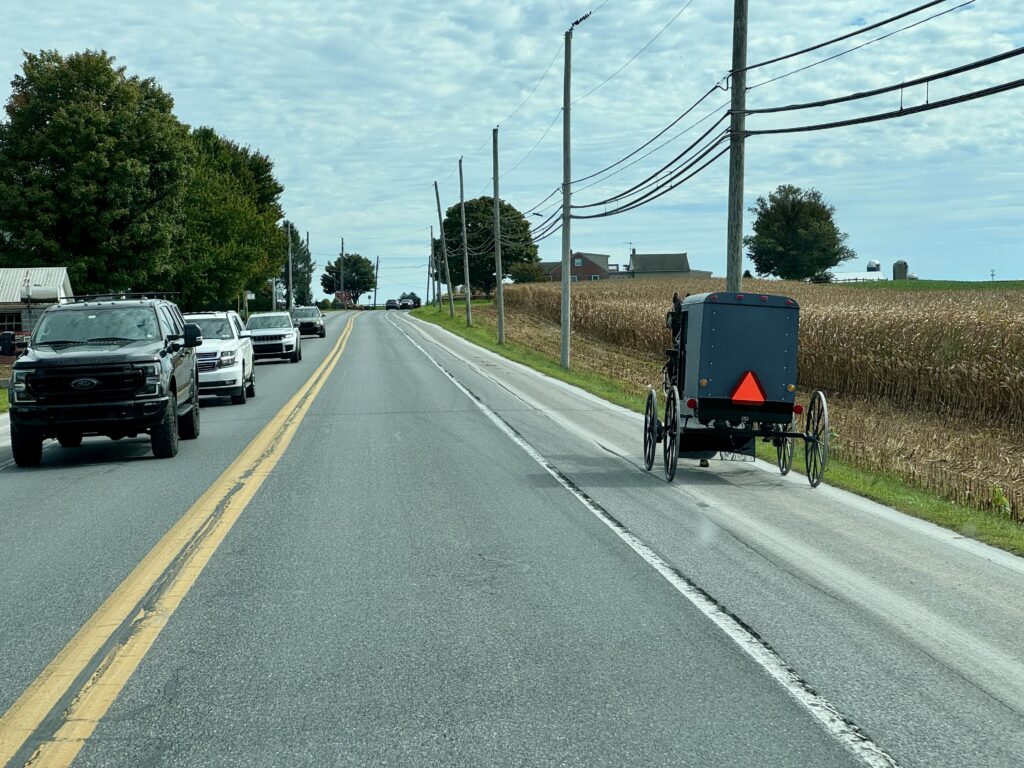
    The way there.
  • Tower of London

    Tower of London

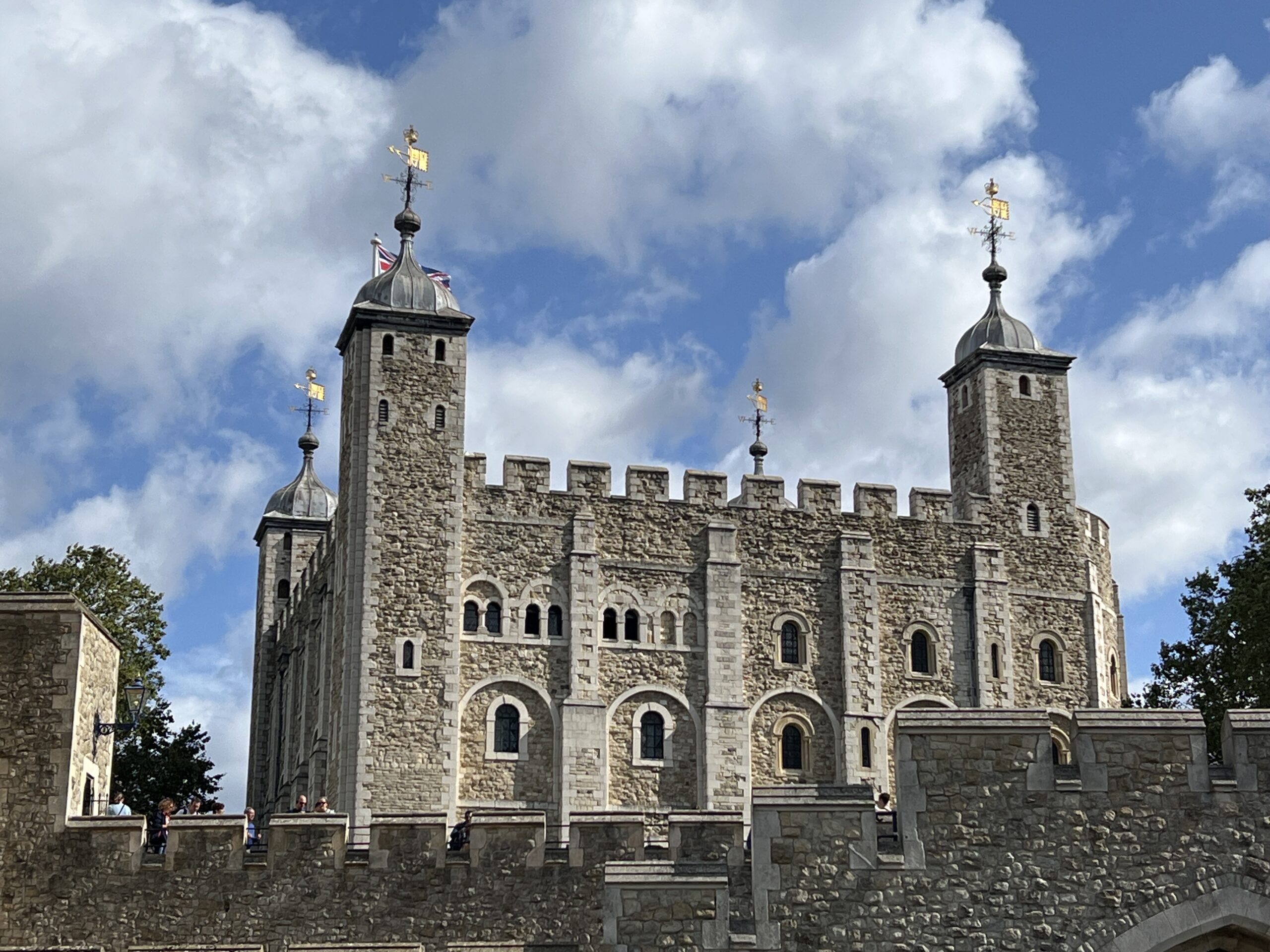
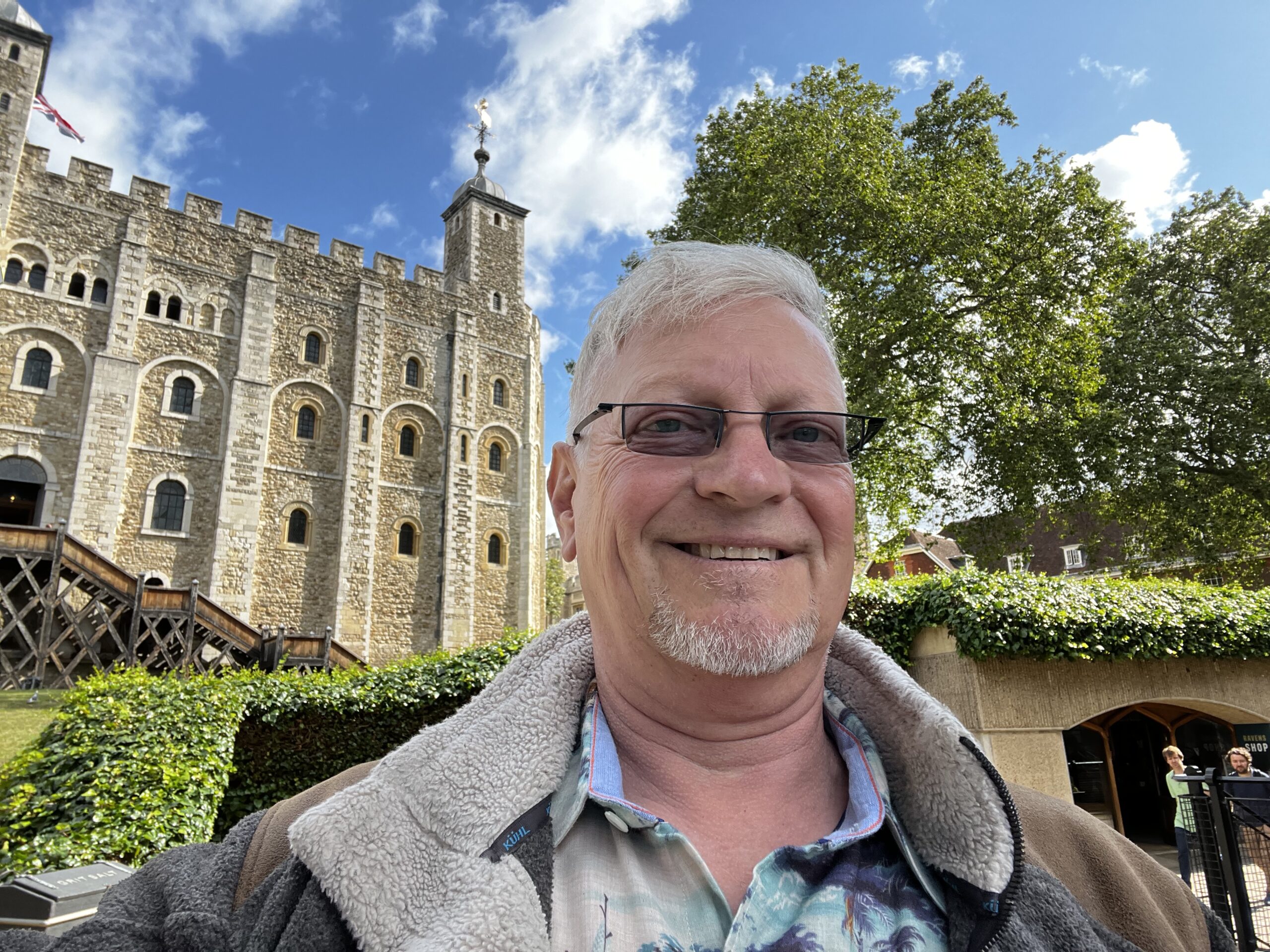
    The Tower of London doesn’t tower physically nearly as much as it does historically. I suppose it towered over the huts surrounding it a few hundred years ago; modern towers overshadow it. However, it is still an amazing fortress. Viewing its moats, walls and built in firing positions makes apparent why it was attacked so few times. Did you know Anne Boleyn lost her head here? She did, thanks to Henry VIII. The usual punishment for treason was burning at the stake, but Henry, in his monarchical mercy, commuted her sentence to mere beheading.

    The Tower of London. It only looks towering due to the skill of the photographer.

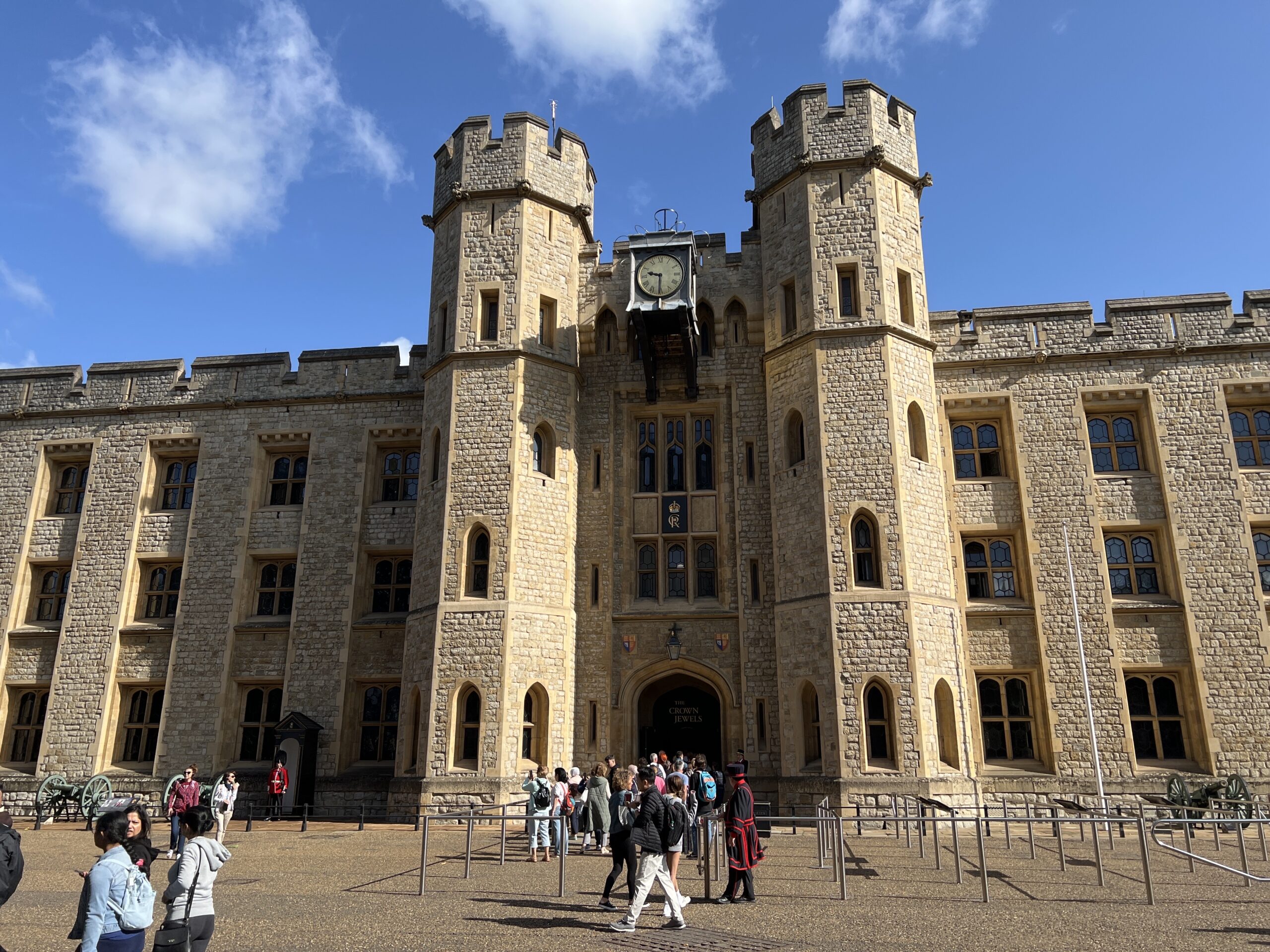
    If it were me designing a fortress, I wouldn’t put windows on the ground floor. Seems vulnerable. The winding switchbacks would have been sure to slow the charging enemies, however. Nice touch.

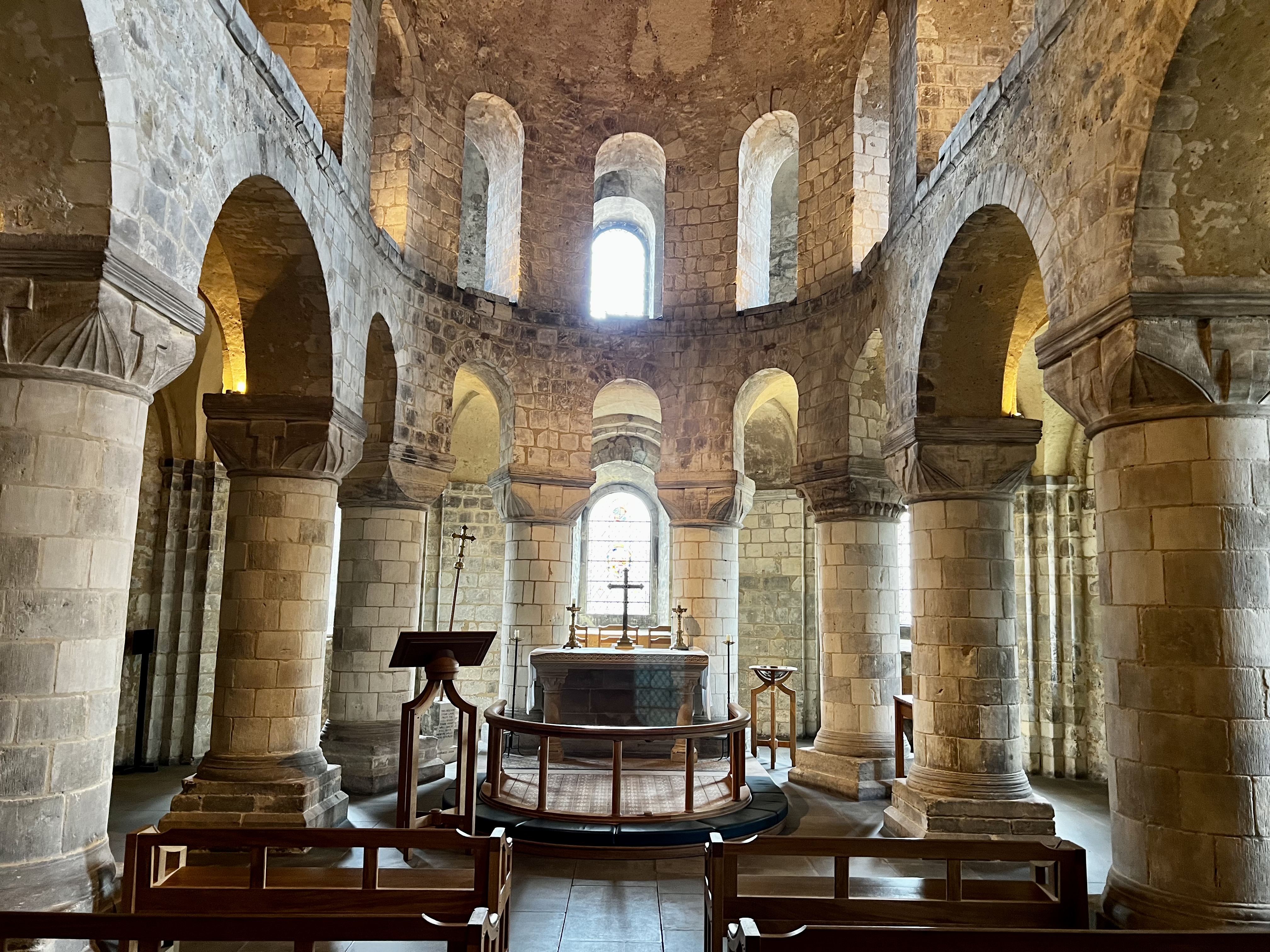
    This pretty chapel is still in use, and has been for centuries. The local priest, presumably Anglican, preaches here to no one every Sunday.

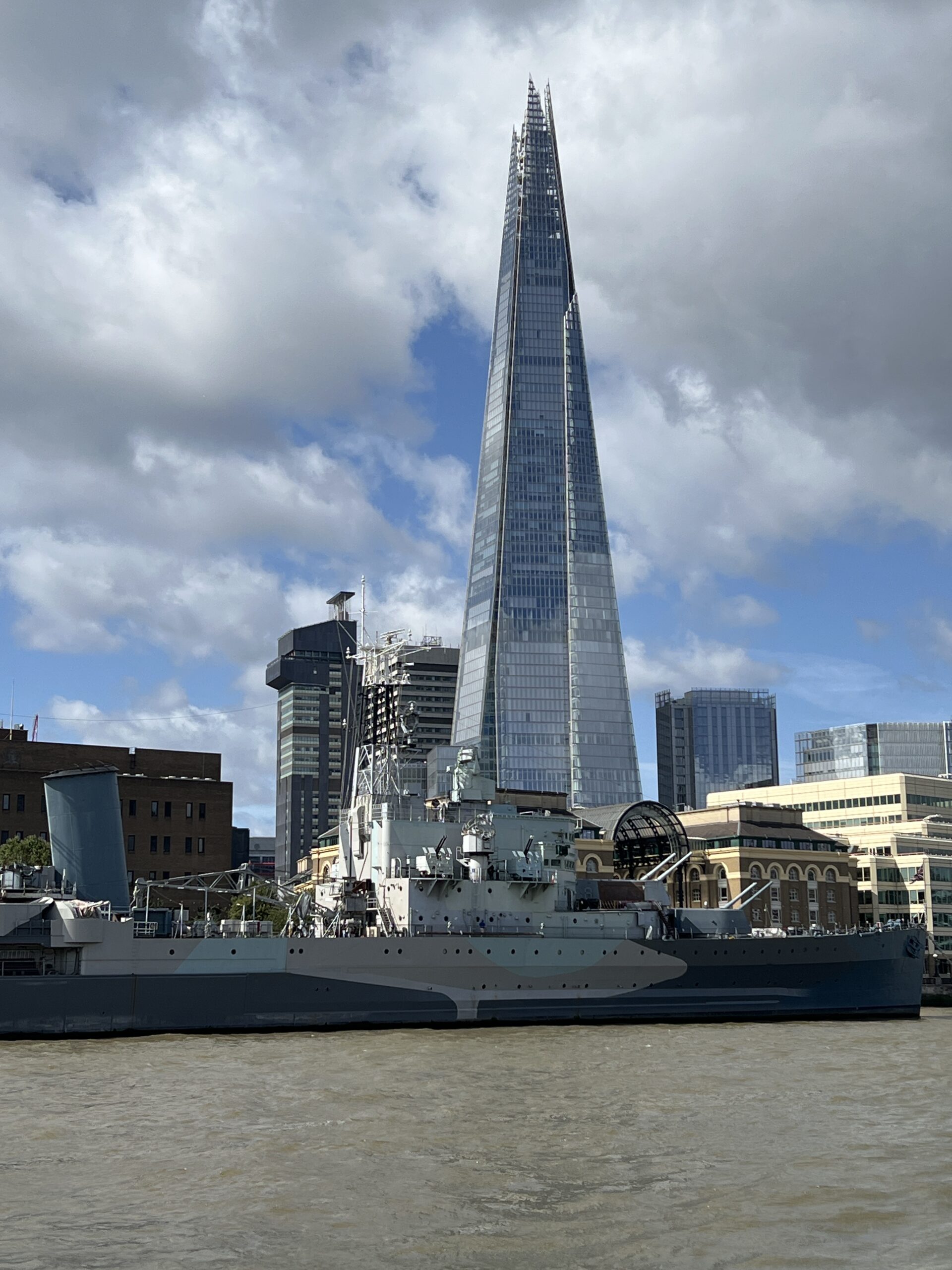
    Now this is a tower. The locals call it The Shard, although it has an official name. I spotted it from the Uber river boat.

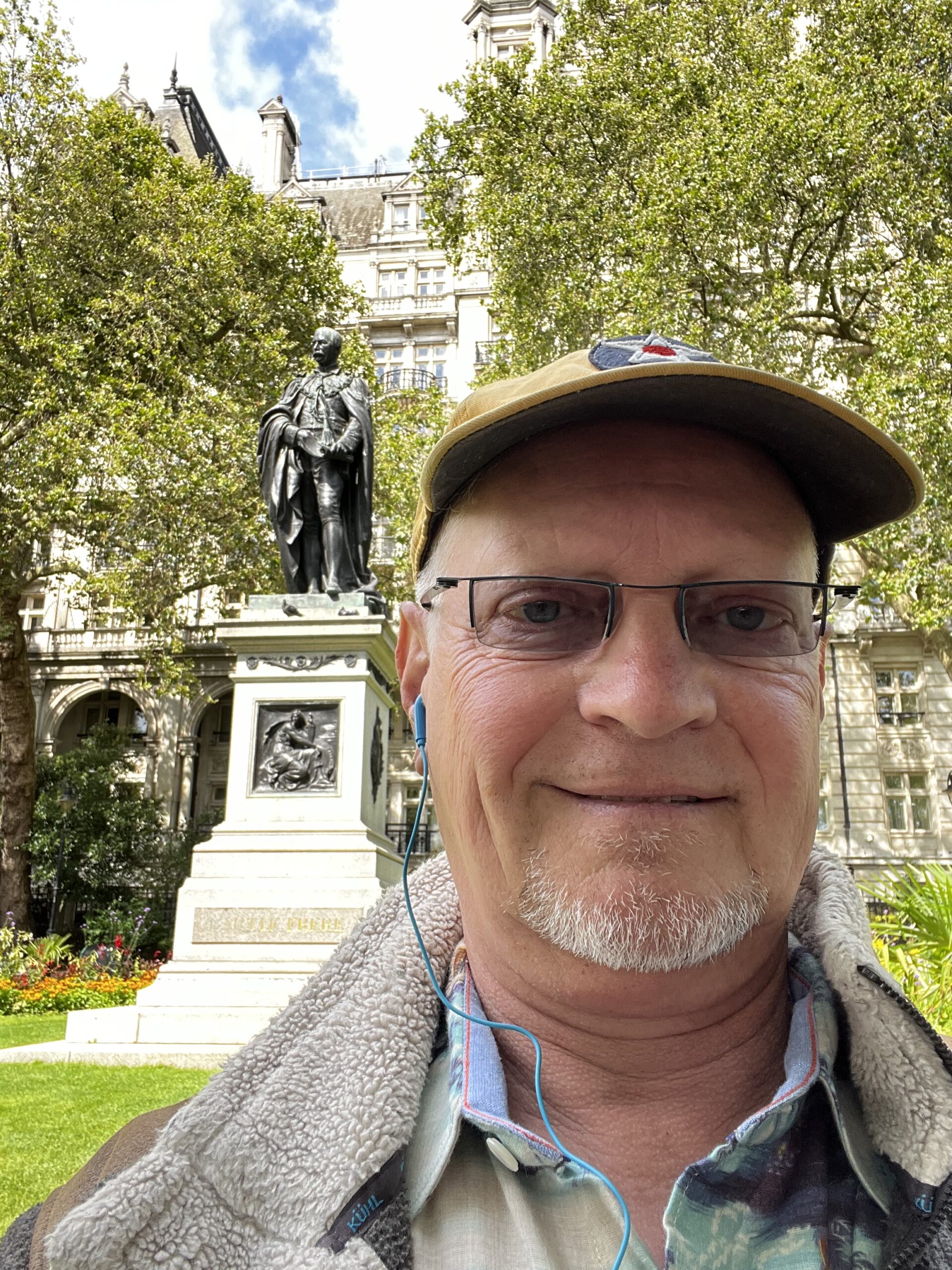
    Statues of the great and near-great abound in London.

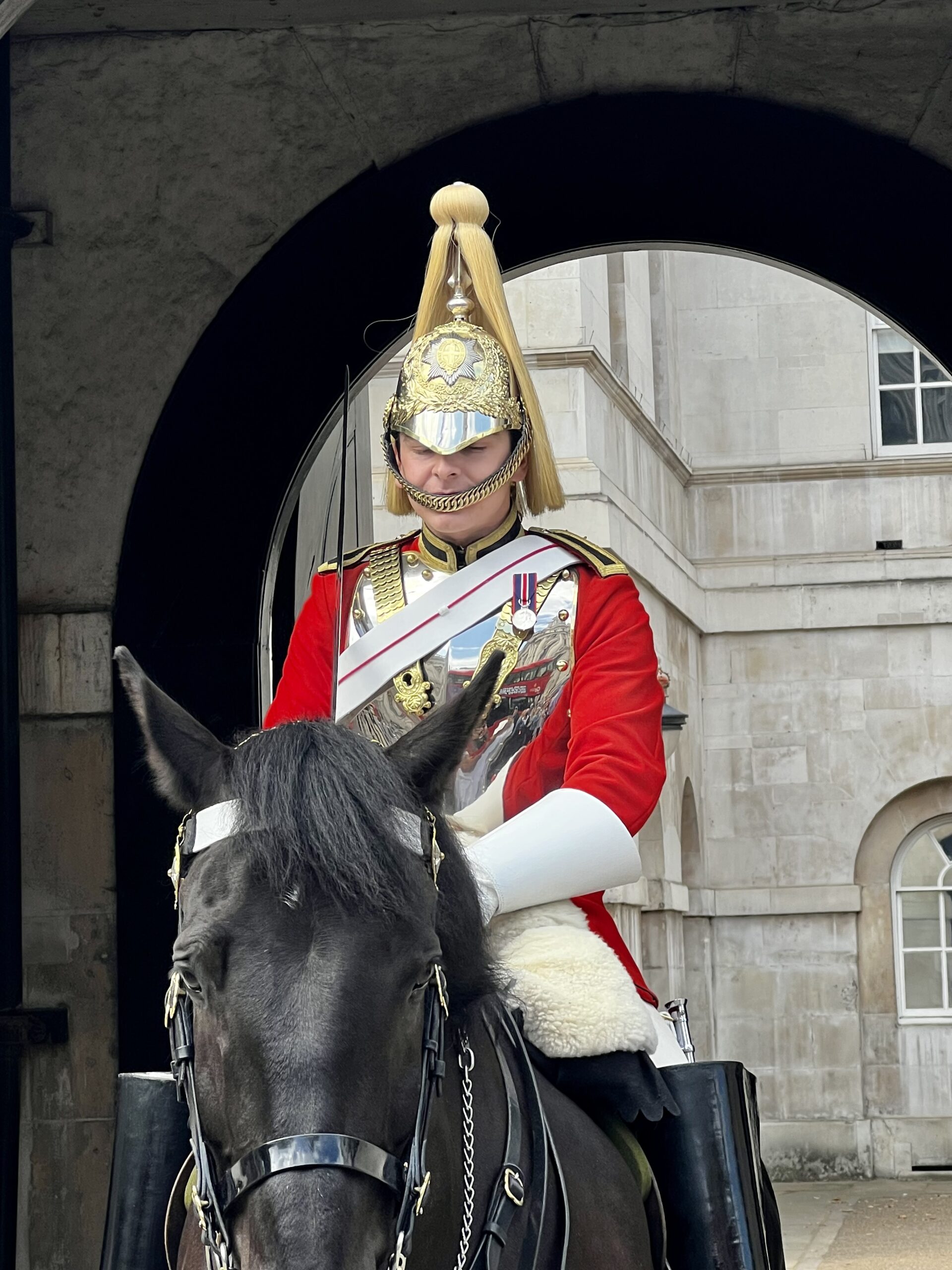
    Look at the soldier of the Horse Guard! My tour group had the great fortune to see a Changing of the Guard. I was disappointed to learn that no nappies (diapers) were involved.

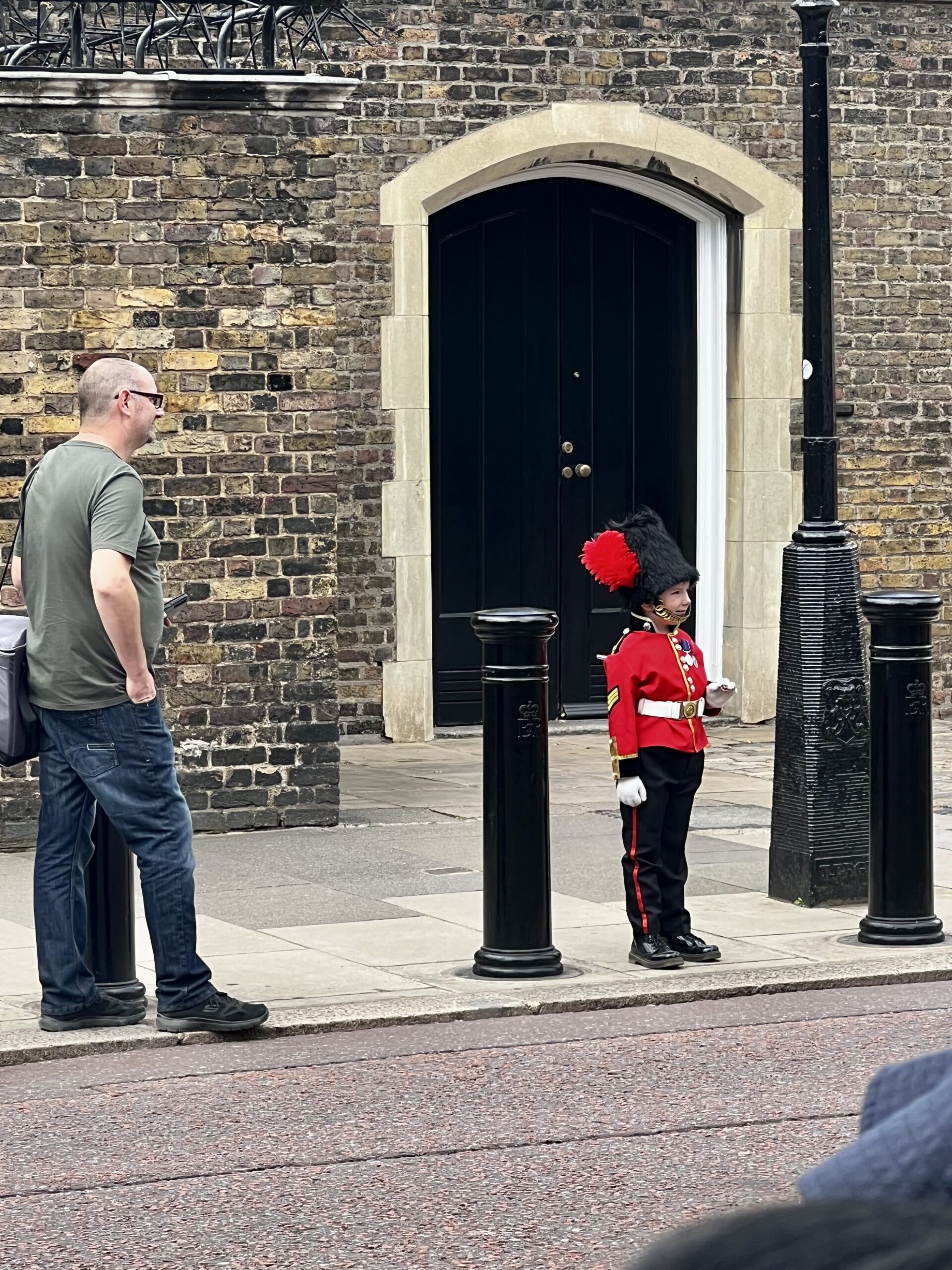
    This little soldier was an impromptu addition to the changing of the guard. The little man had the whole outfit; he marched and saluted like the professional he will be someday. He charmed everyone, even the police armed with assault rifles.

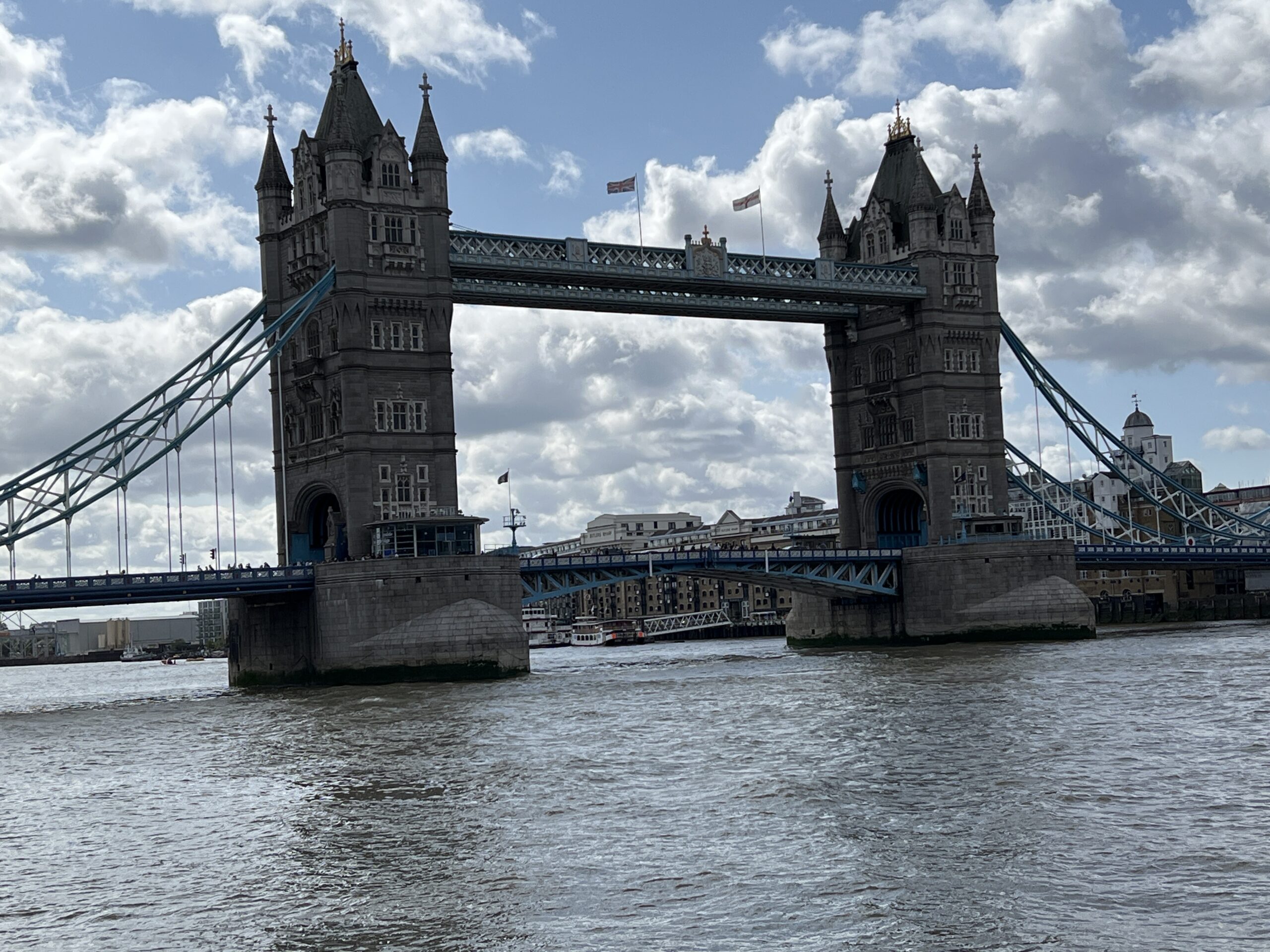
    Nice view of the London Bridge, eh? Not! That’s the Tower Bridge, the London Bridge is in Arizona. Its place in London was taken by a ordinary bridge from anywhere.

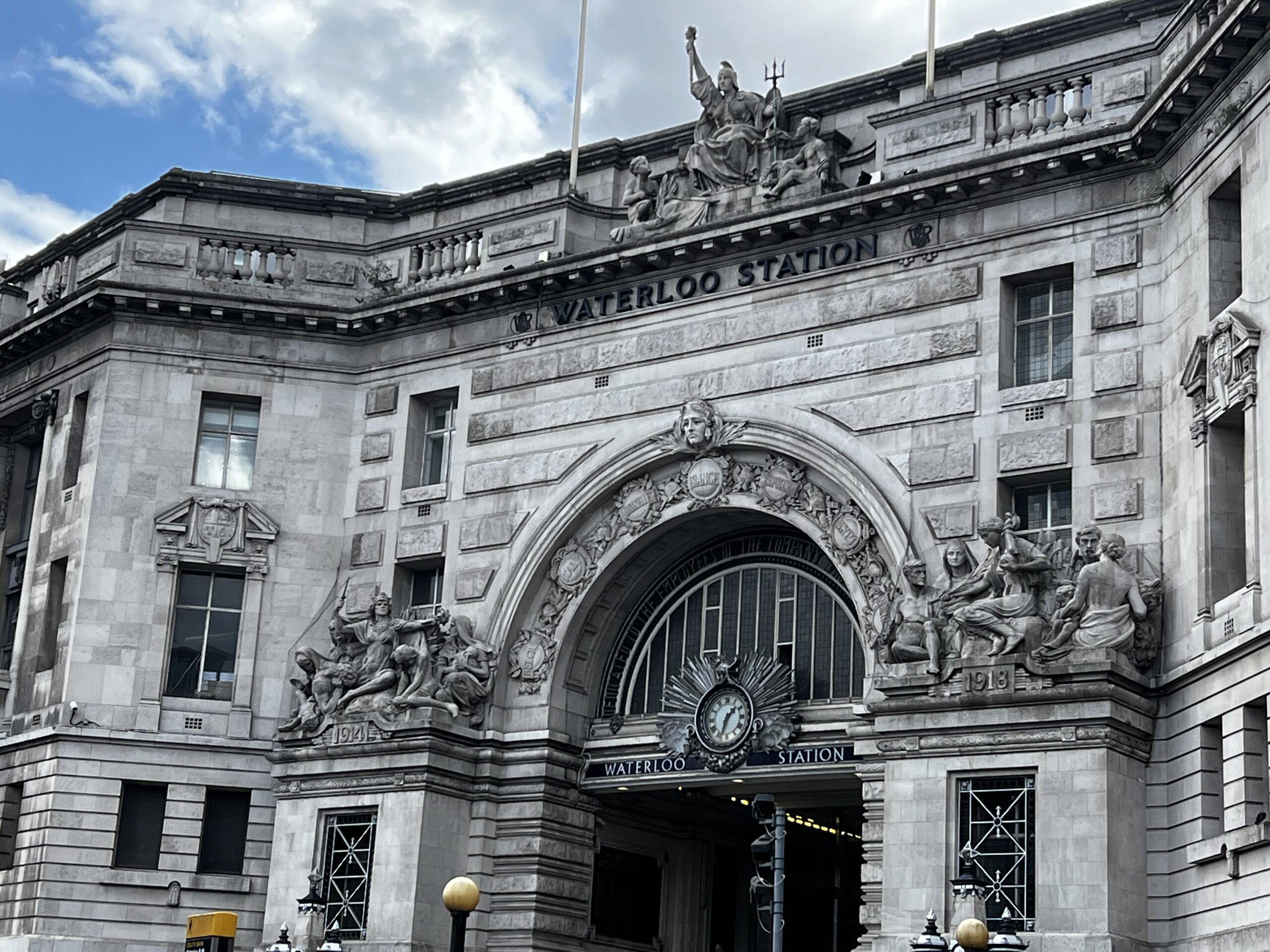
    Waterloo Station is a major transit hub in London. It is a magnificent structure that houses the Underground and passenger railroads.

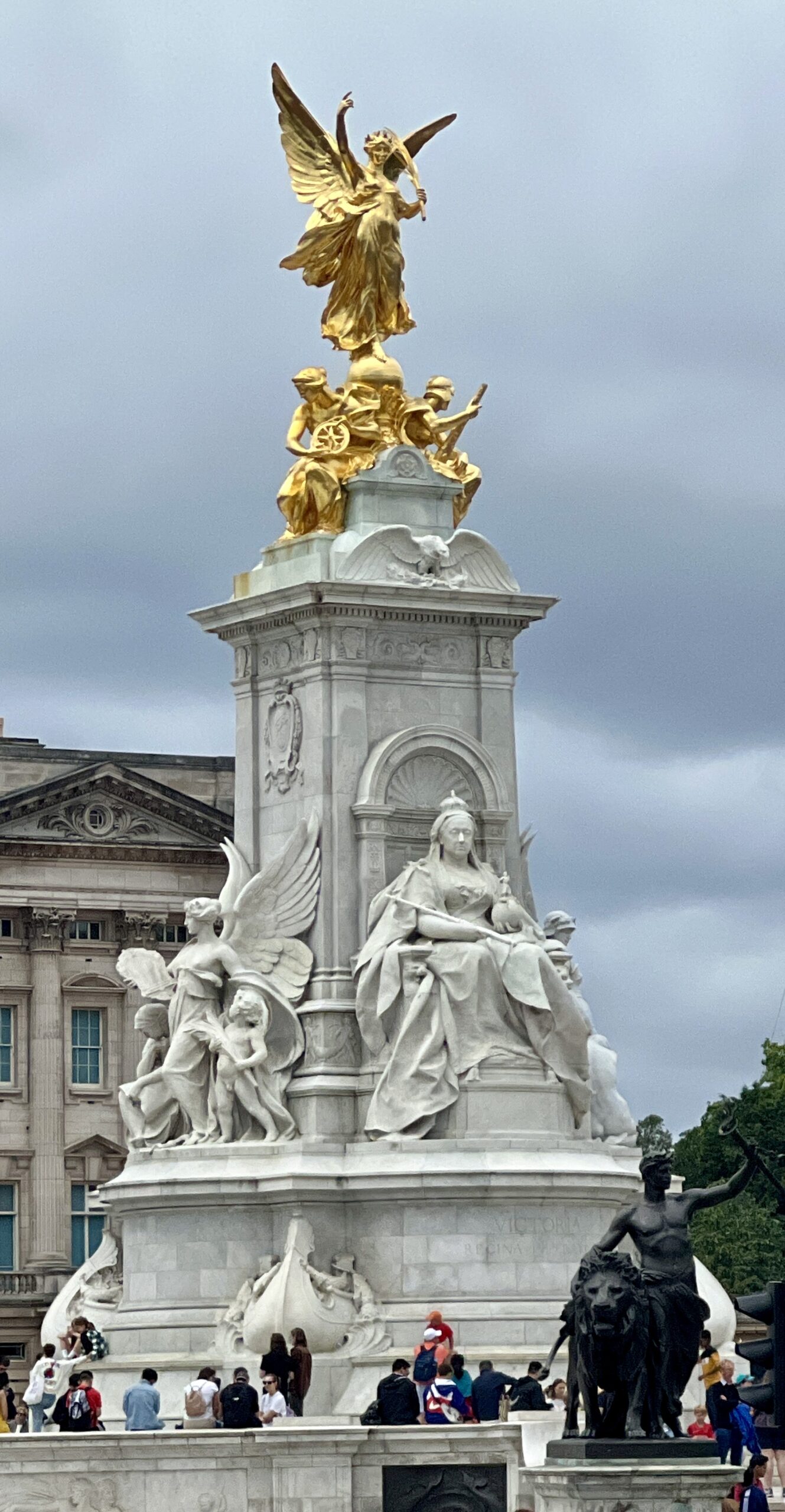
    This is a statue of an old lady whose inability to control her offspring led to World War I.

  • The Historic Taos Inn

    The Historic Taos Inn

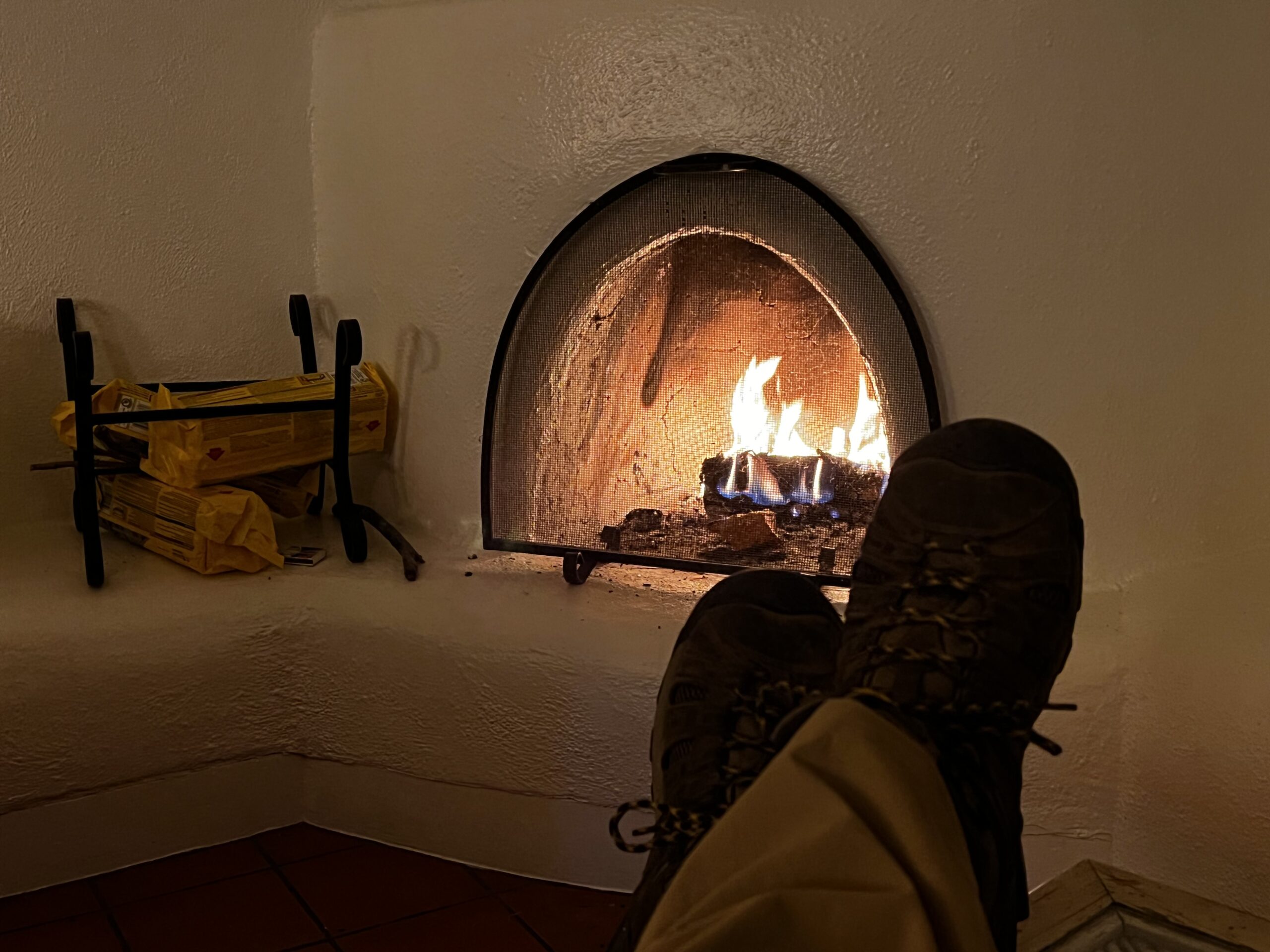
    Taos is organized around a central square, befitting its status as a town founded by the Spanish. Just beyond the perimeter of the square is the historic Taos Inn. I had a nice room with a fireplace! I thought Xena would appreciate the fire, but she didn’t appear to notice. I, on the other hand, thoroughly enjoyed it.
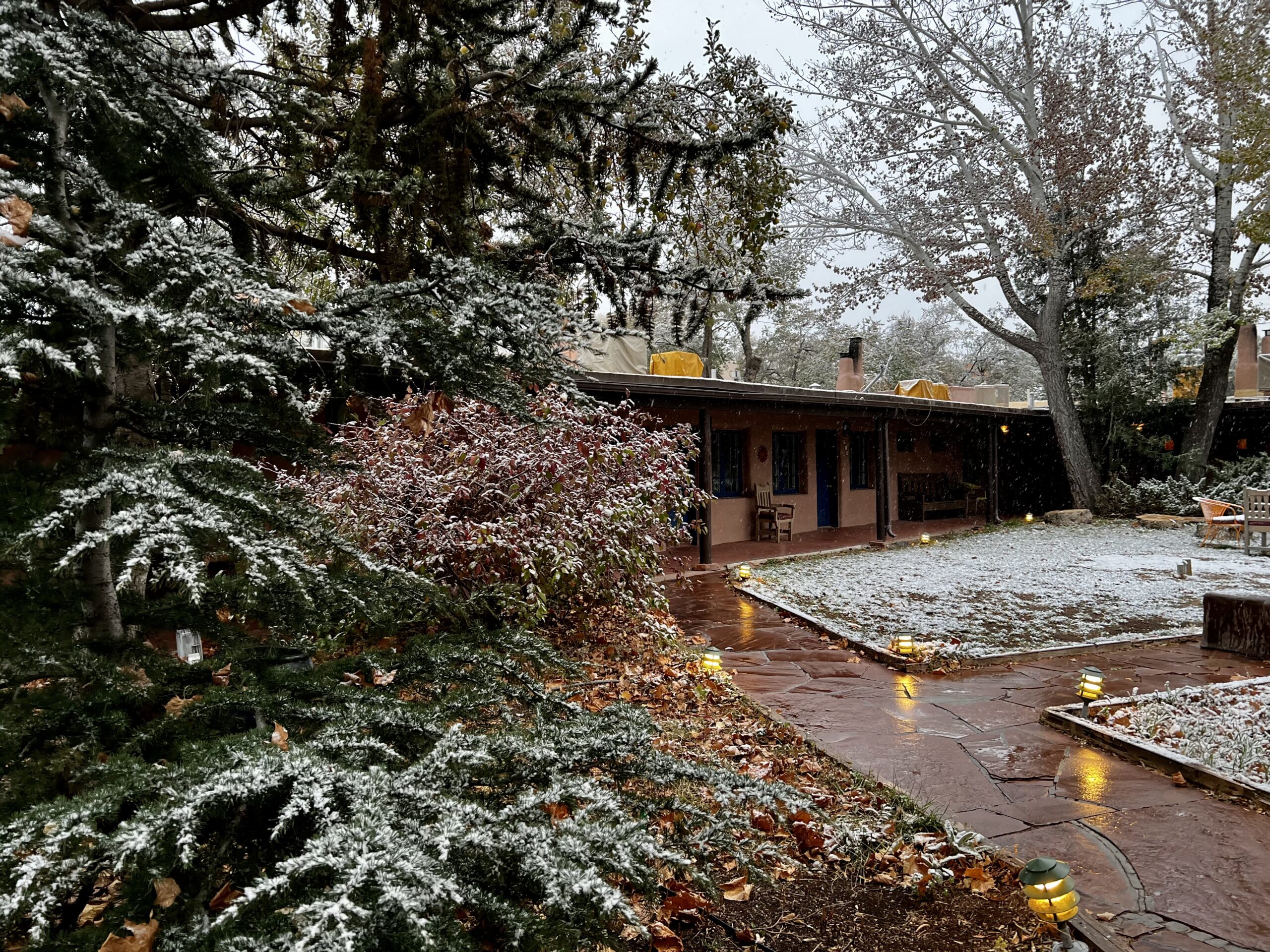
    We had the surprise delight of early season snow! Just a dusting, but nice.
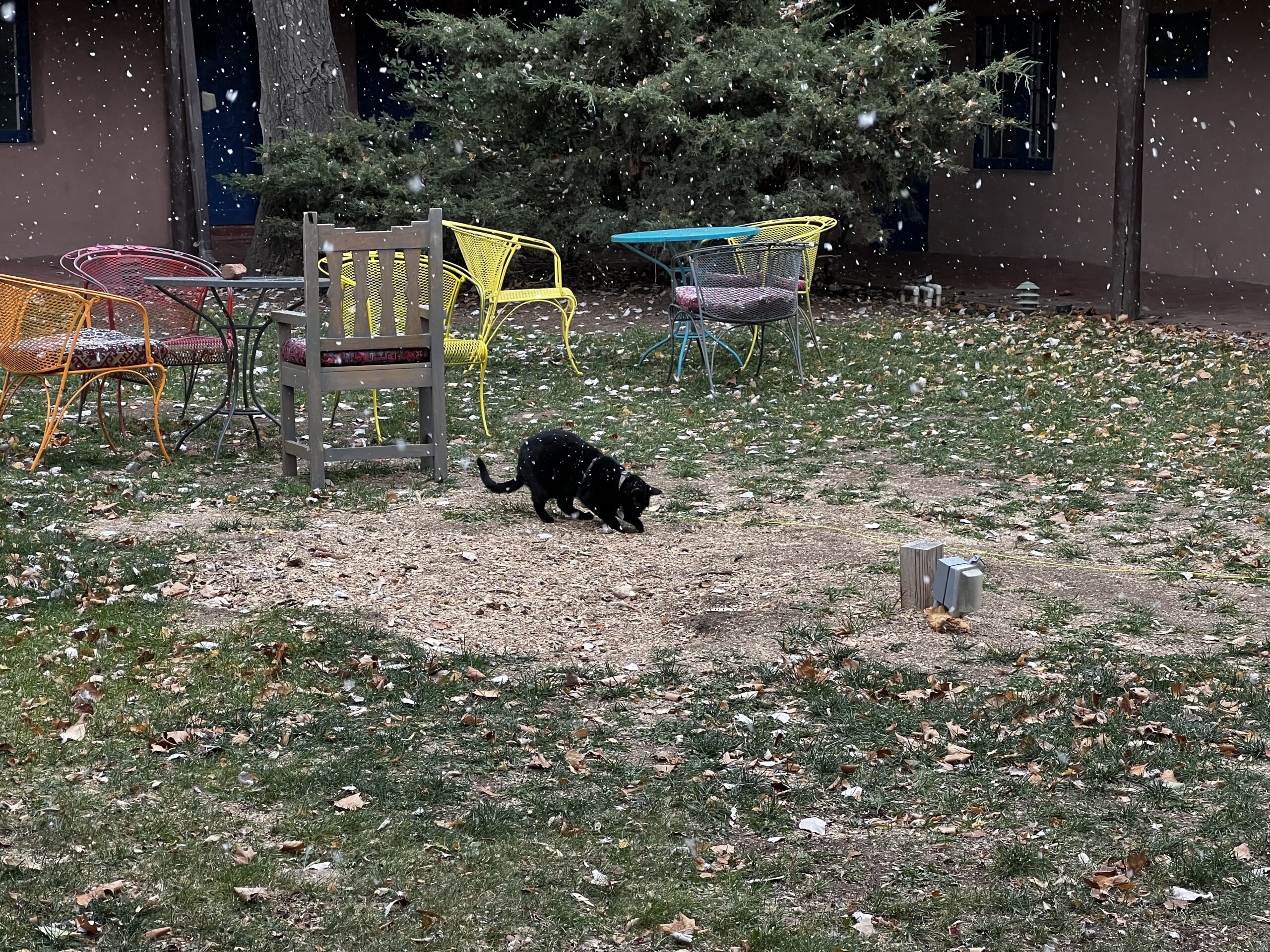
    Xena enjoys frolicking in the fallen snow, but would appreciate it not landing on her from above.
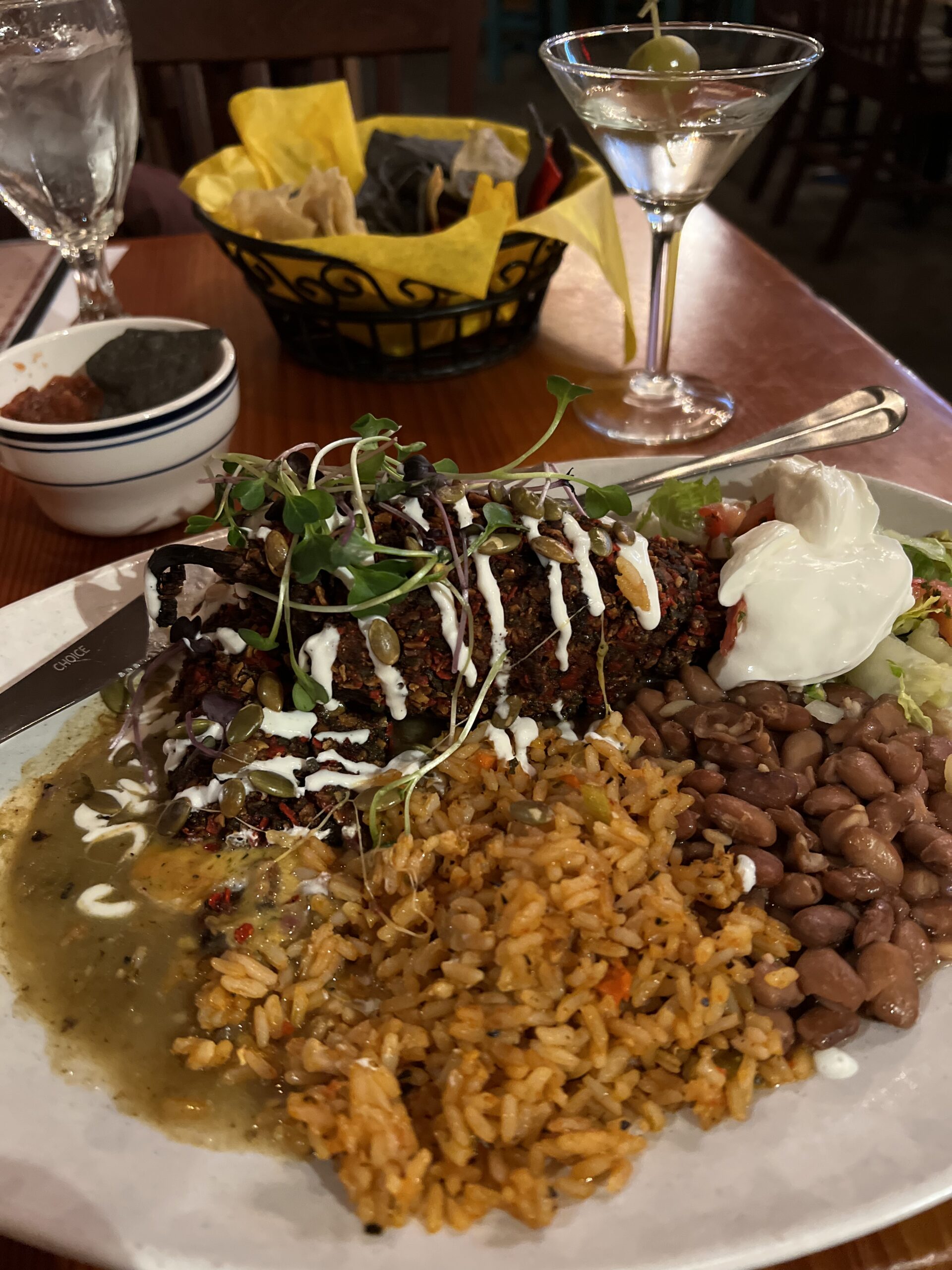
    Doc Martin’s is Taos Inn’s famous restaurant. The pic doesn’t do justice for the only chili relleno worth eating. My recommendation: schedule a trip to Taos at once for this comida muy excelente! Crispy herby crust on the outside, a chili inside that actually tastes like a pepper. Inside that, of course, is melty yummy cheese. In a world first, there may actually be too much cheese! No problem, though, because tortilla chips are available in abundance.
  • The Taos Pueblo

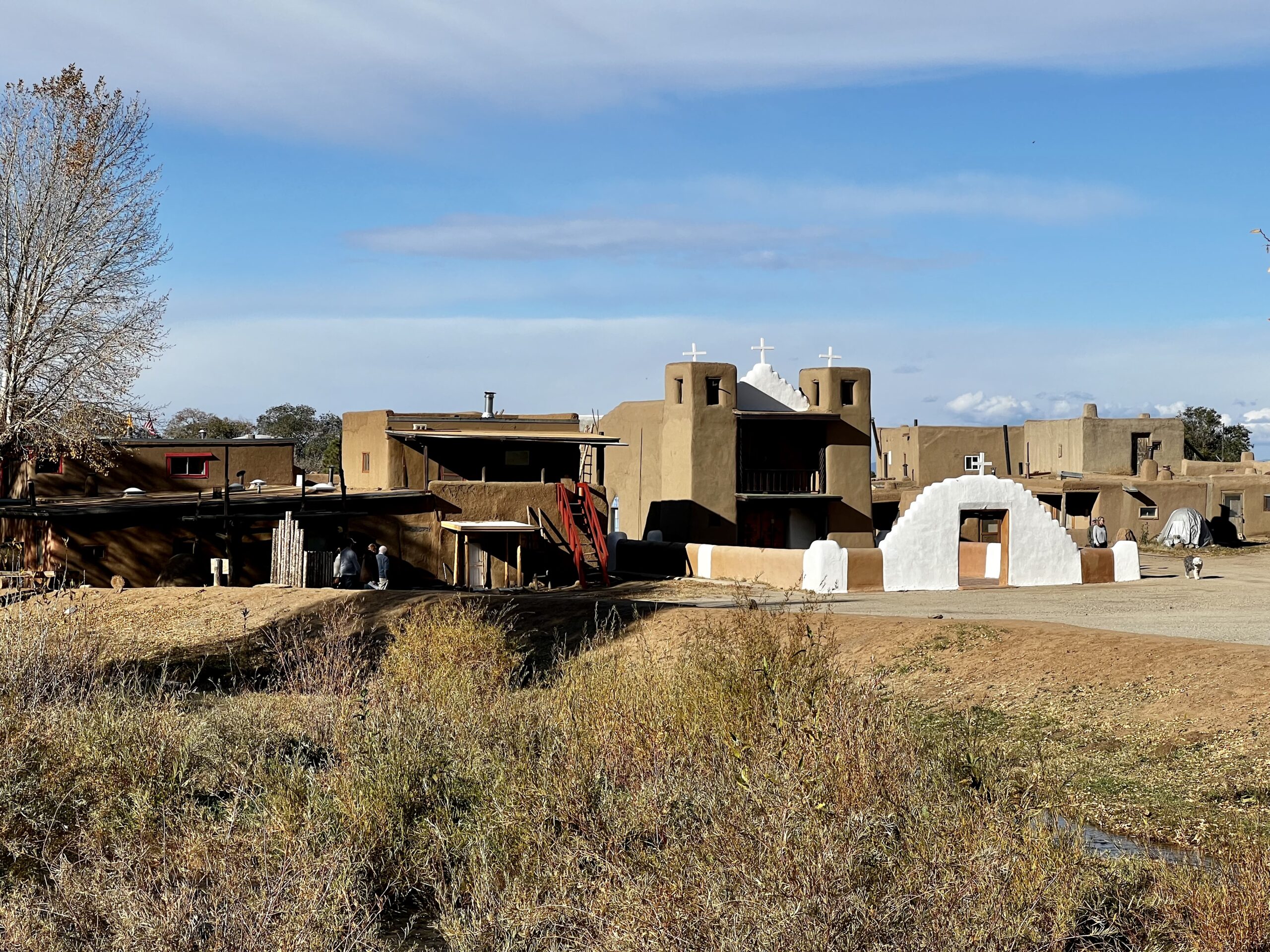
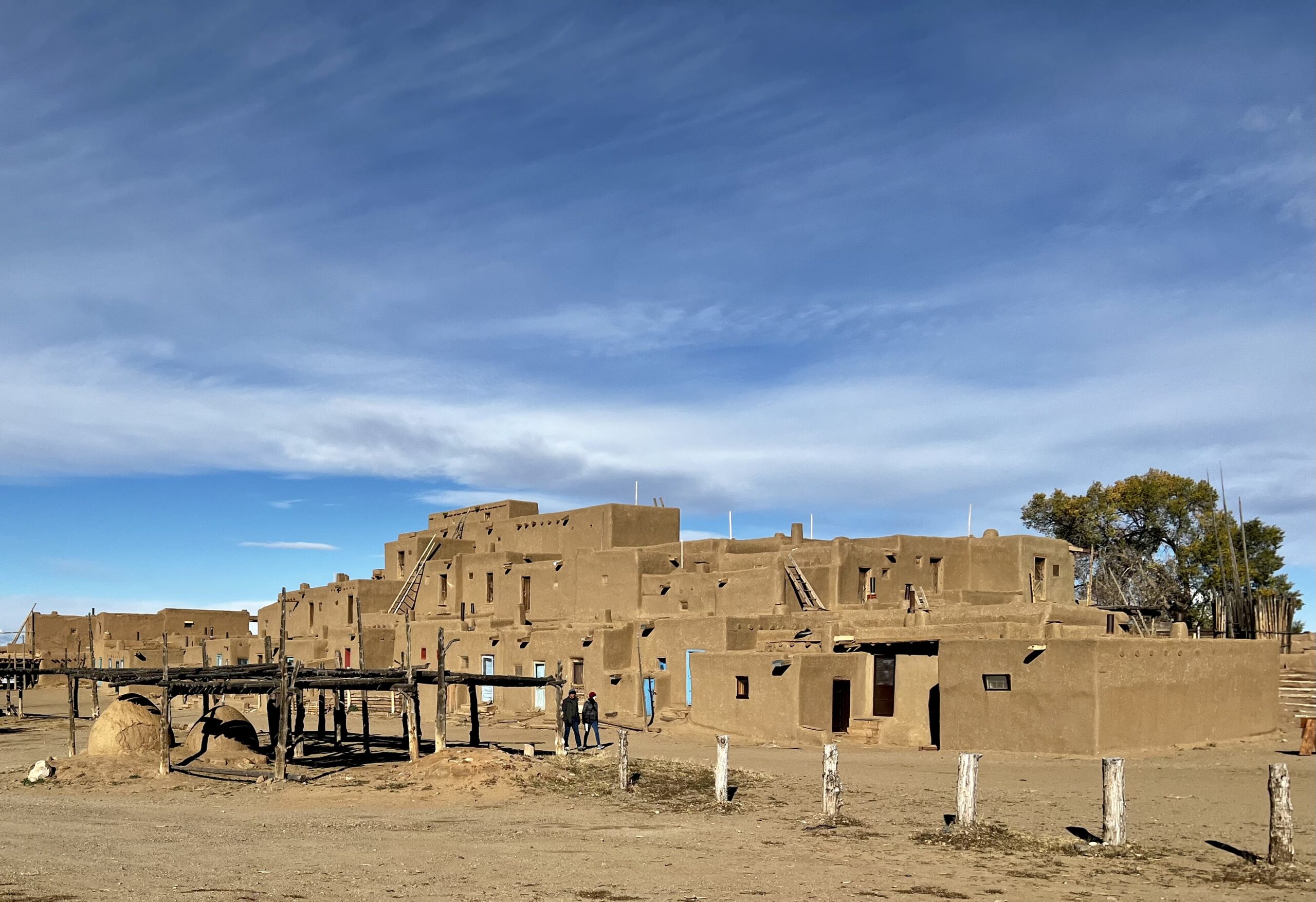
    While IVO Taos (isn’t that a great acronym? IVO means In the Vicinity Of. Military people use it a lot.), I visited the ancient town of the Taos Pueblo. It is a perspective shattering experience to be in a town continuously inhabited for more than a millennium. No one can be sure, it could be substantially more. Native dogs roamed the pueblo and old women sold goods baked in traditional wood-fired ovens of adobe. I bought some and made little sandwiches for a week with the delicious bread. The baker assured me that the bread would be good for a week, “because it ain’t got no eggs or dairy in it.” If a visitor could expel the inconsiderate swine other visitors and sit quietly for a moment, she could almost time travel to the ancient past, when humans lived in harmony with one another and their environment. The Taos Pueblos was a center of trade before the Spanish thieves arrived. Residents hosted a trade fair every year after the harvest, attracting visitors and goods from all of the surrounding pueblos.
    These dwelling units have been continuously inhabited for over a thousand years. The street-level doors and windows are a recent addition, only a few hundred years old. Originally, the entrances to the individual dwellings were through the roof. When neighboring cities raided, these people simply pulled up their ladders and waited them out. Apparently raiding parties never thought to bring their own ladders. So there! Ha!
    This is the new church, constructed in 1850. When the state-sponsored terrorists arrived from Spain in the 1600s, they informed the indigenous people that their religion was wrong and forced them to convert to Catholicism. They also enslaved them and, under the lash, made them build churches to the glory of an all-merciful and ever loving god.
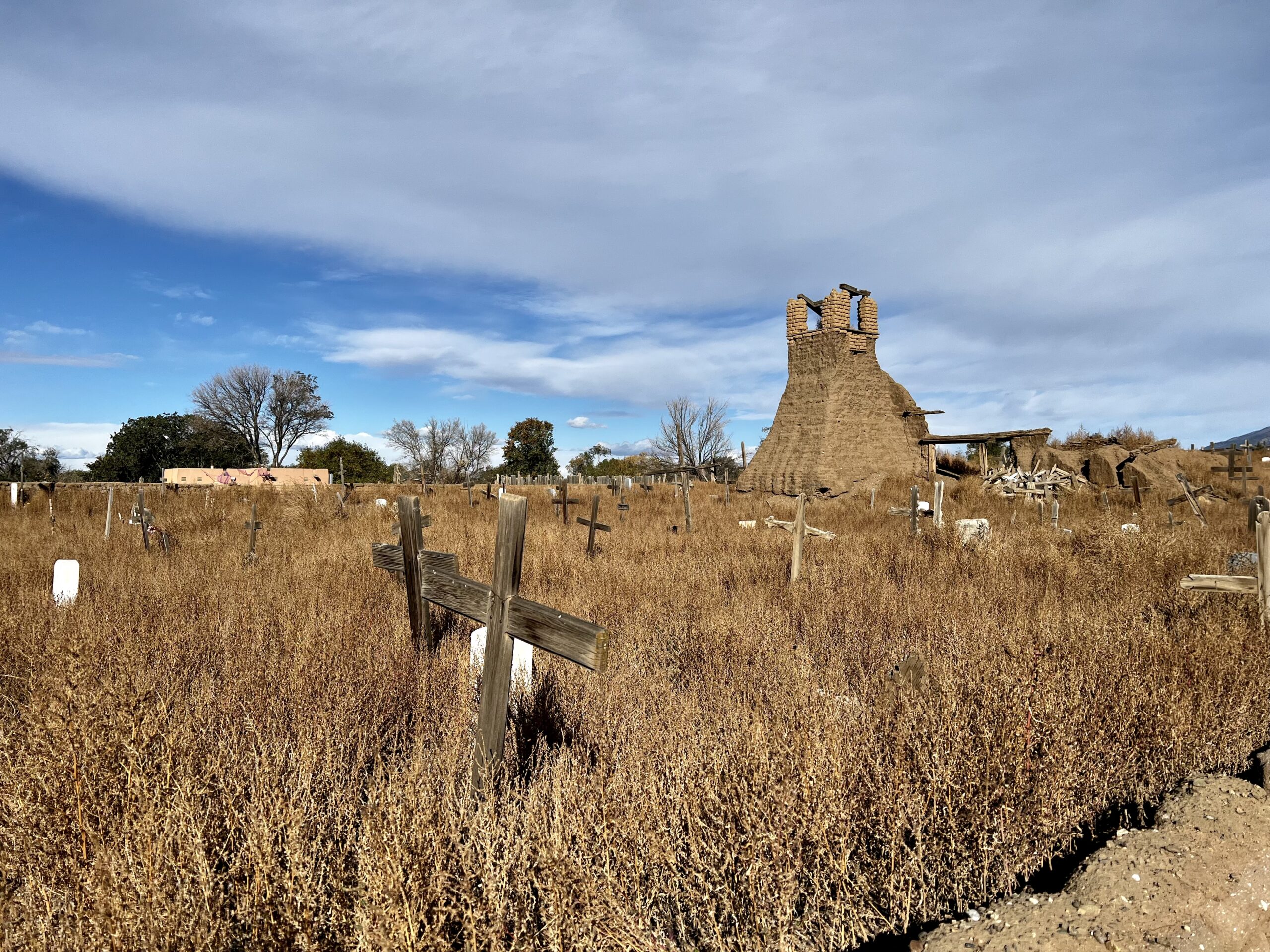
    This is the original church, also built by enslaved indigenous people. When Governor Bent (the first appointed governor of New Mexico) was killed by rival imperialist gang members in nearby Taos, the American government blamed the pueblo residents. They, mostly women and children, sought refuge in this church. God declined to intervene; the United States Army unleashed a cannonade to destroy the dangerous  women and children hiding in the church. Mission accomplished. All were killed and are buried here in this abandoned cemetery.
    This little tributary of the Rio Grande flows from the sacred Blue Lake straight through the pueblo. A thousand years of generations have drawn water from this stream to sustain their households. They do the same to this very day.
  • Fascinating Archeological Findings

    Archeologists from the University of Southern New Mexico have recently unearthed a well-preserved village near the the pueblo of Las Cruces. Dubbed “Mesilla” (pronounced meh SEE ya), this village displays the physical village arrangement typical of the first band of Spanish thieves. They established a sense of place by creating a town square called an “alameda,” after an island in San Francisco Bay.

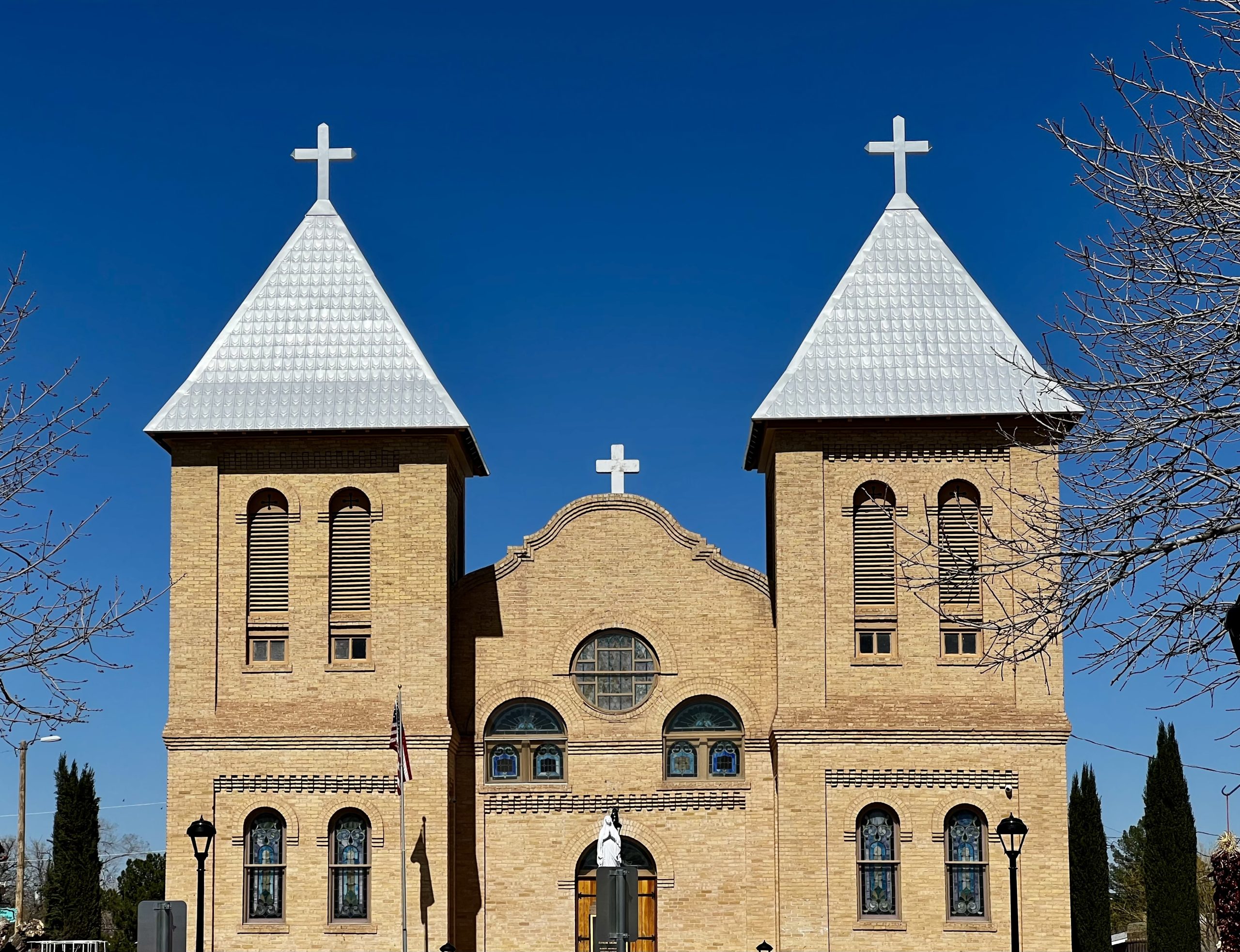
    Building papist churches was a high priority among the gang of Spanish thieves. Look closely and you will see the graven image of an unwed mother in front of the edifice. The motif of the Unwed Mother, along with other imaginary personages, was prominent among these thieves.

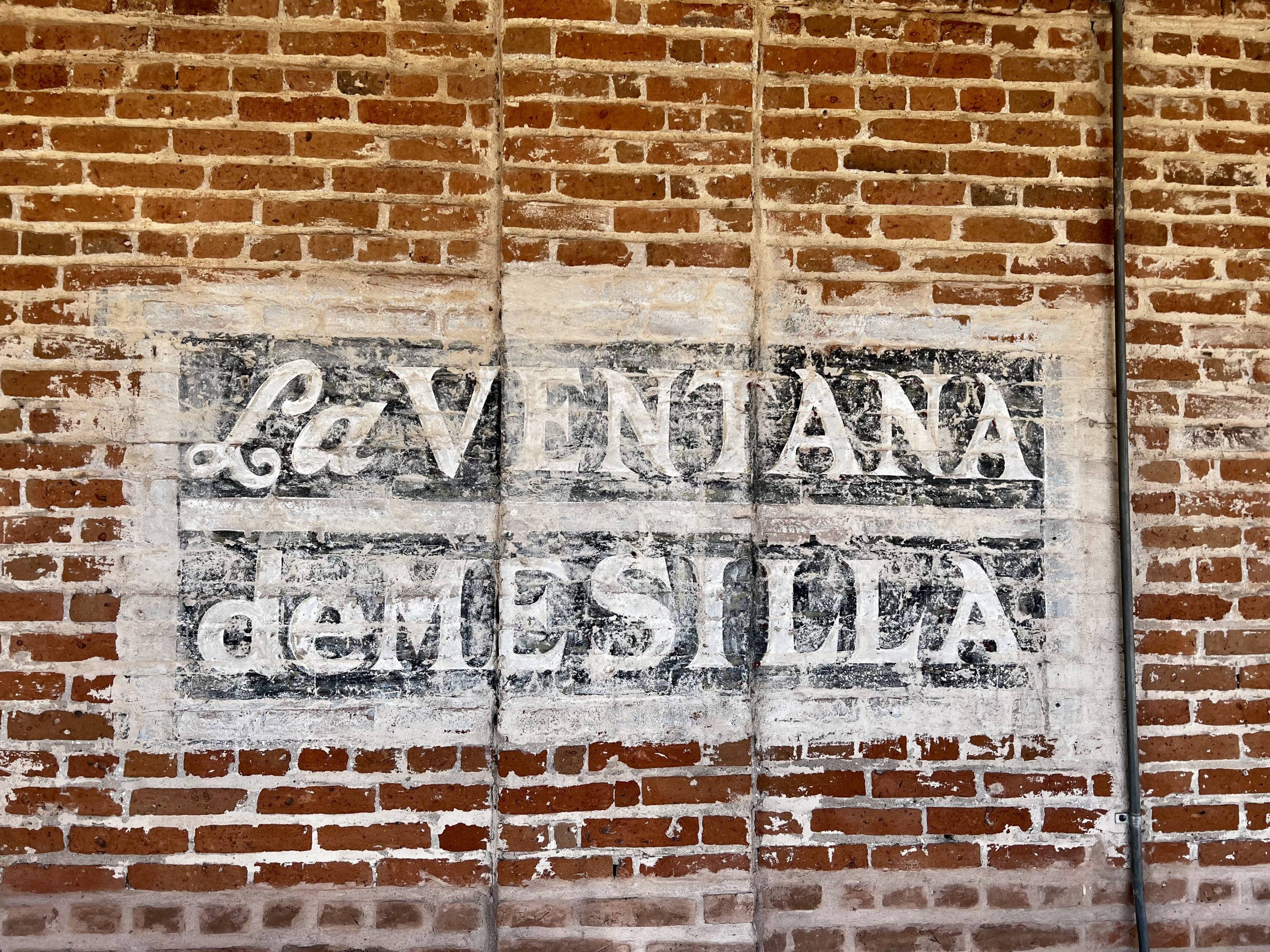
    This is an early example of well-executed graffiti, typical of the early days of imperial conquest. Archeologists have determined that this sample is literally translated as “Window of Mesilla,” but no convincing explanation of its meaning to its contemporaries is proffered. It is worth noting that the juxtaposition of the varied type faces is deprecated in modern graffiti.

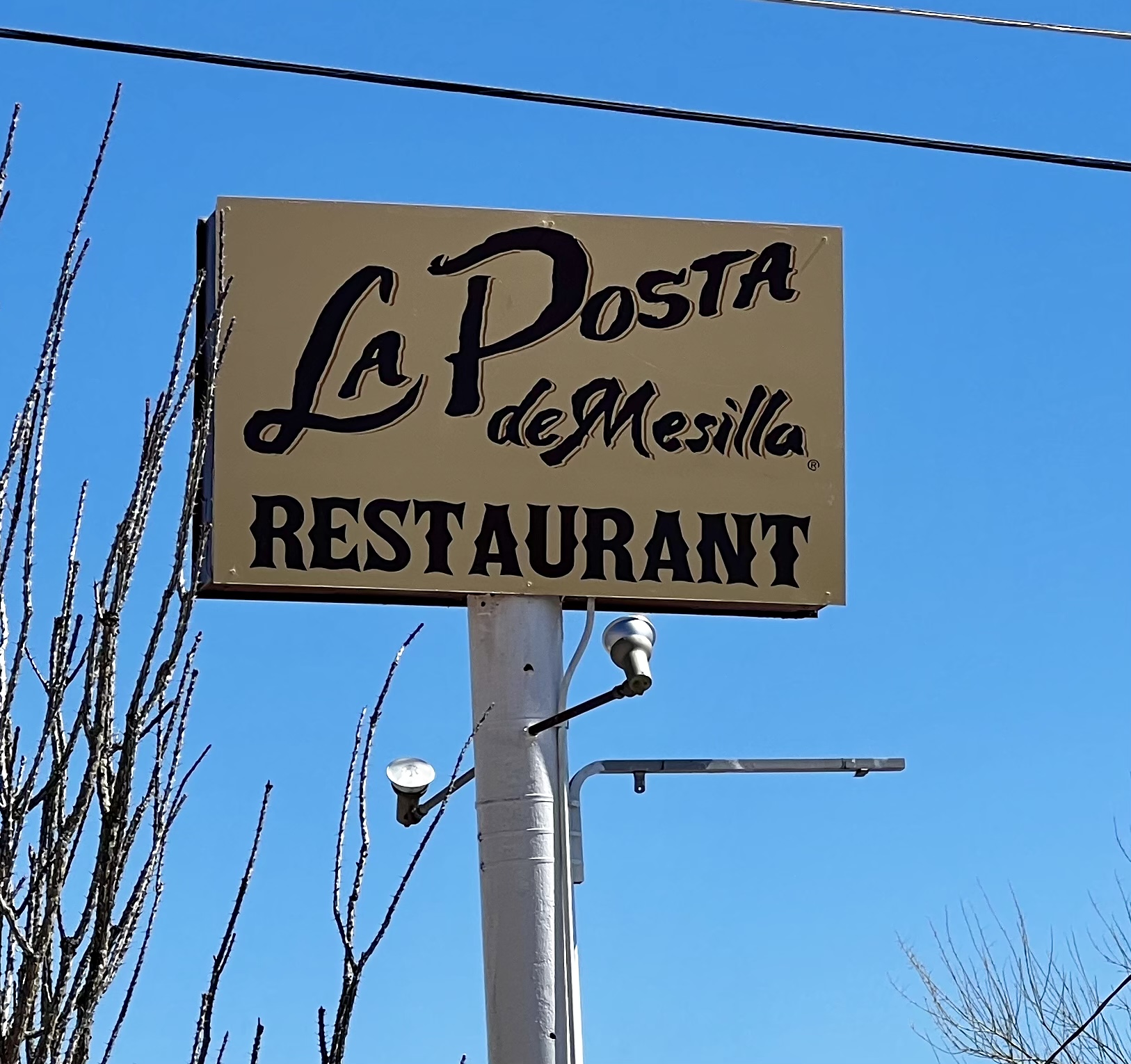
    This signage indicates the location of a restaurant, which provides sustenance to locals and visitors alike. They accept US currency and some credit cards as forms of payment. The name is a mystery. “La Posta” means female letter carrier or female mail man. Despite the many hypotheses seeking to explain why anyone would name a restaurant after a category of postal worker, none have proven satisfactory.

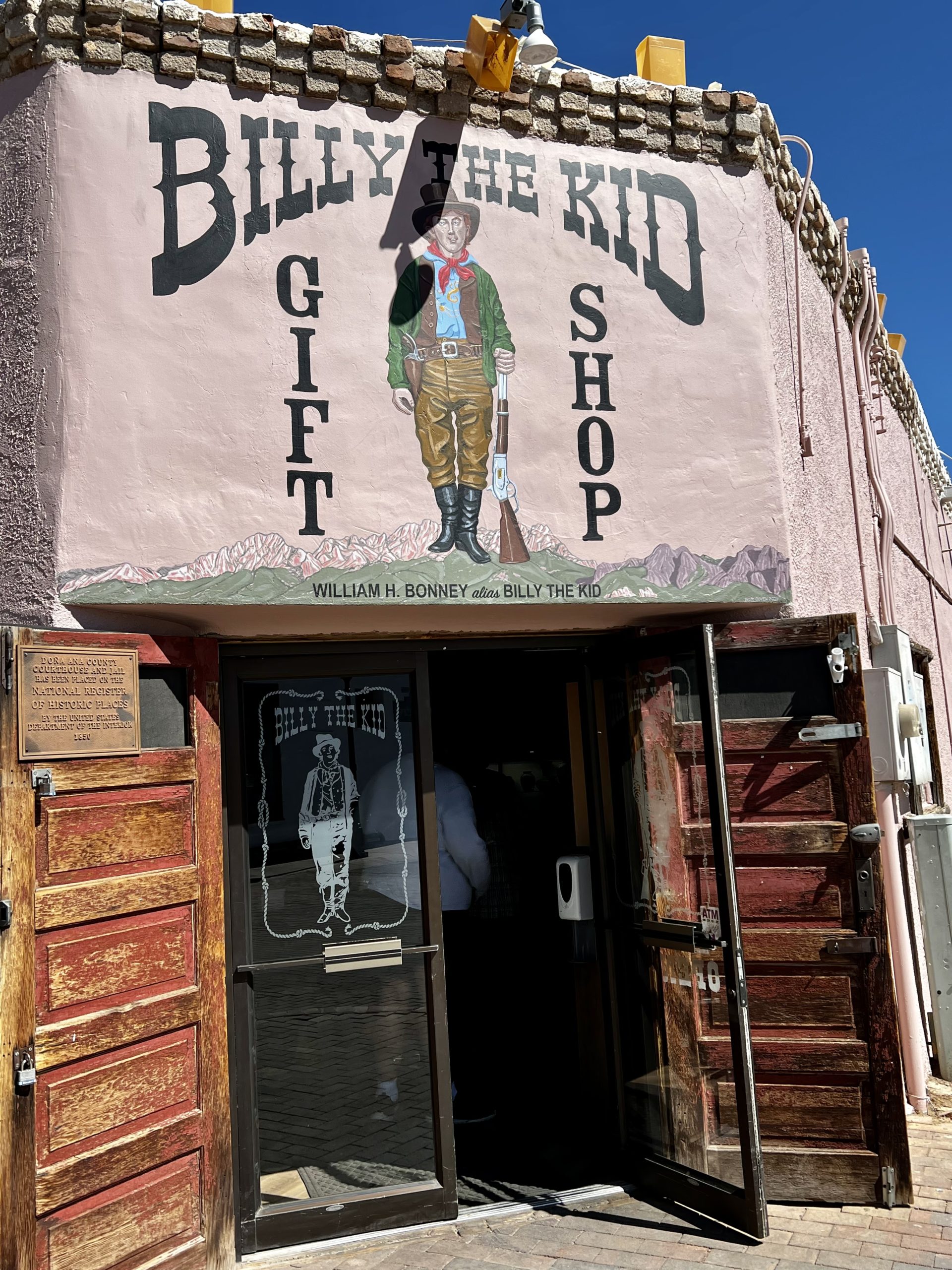
    A close reading of the historical record indicates that a misunderstood and culturally downtrodden person called “Billy the Kid” was accused of killing a few people. He was tried, convicted and sentenced to hang in this building. One wonders if Mr the Kid saw the irony of being tried in a building named for him! Legend says the judge declared him guilty and sentenced him to hang until “dead Dead DEAD!” To which Mr the Kid is said to have replied, “I’ll see you in hell Hell HELL.” At which point he ran away, to the consternation of the authorities. He escaped the noose, only to be shot and killed a few days later.

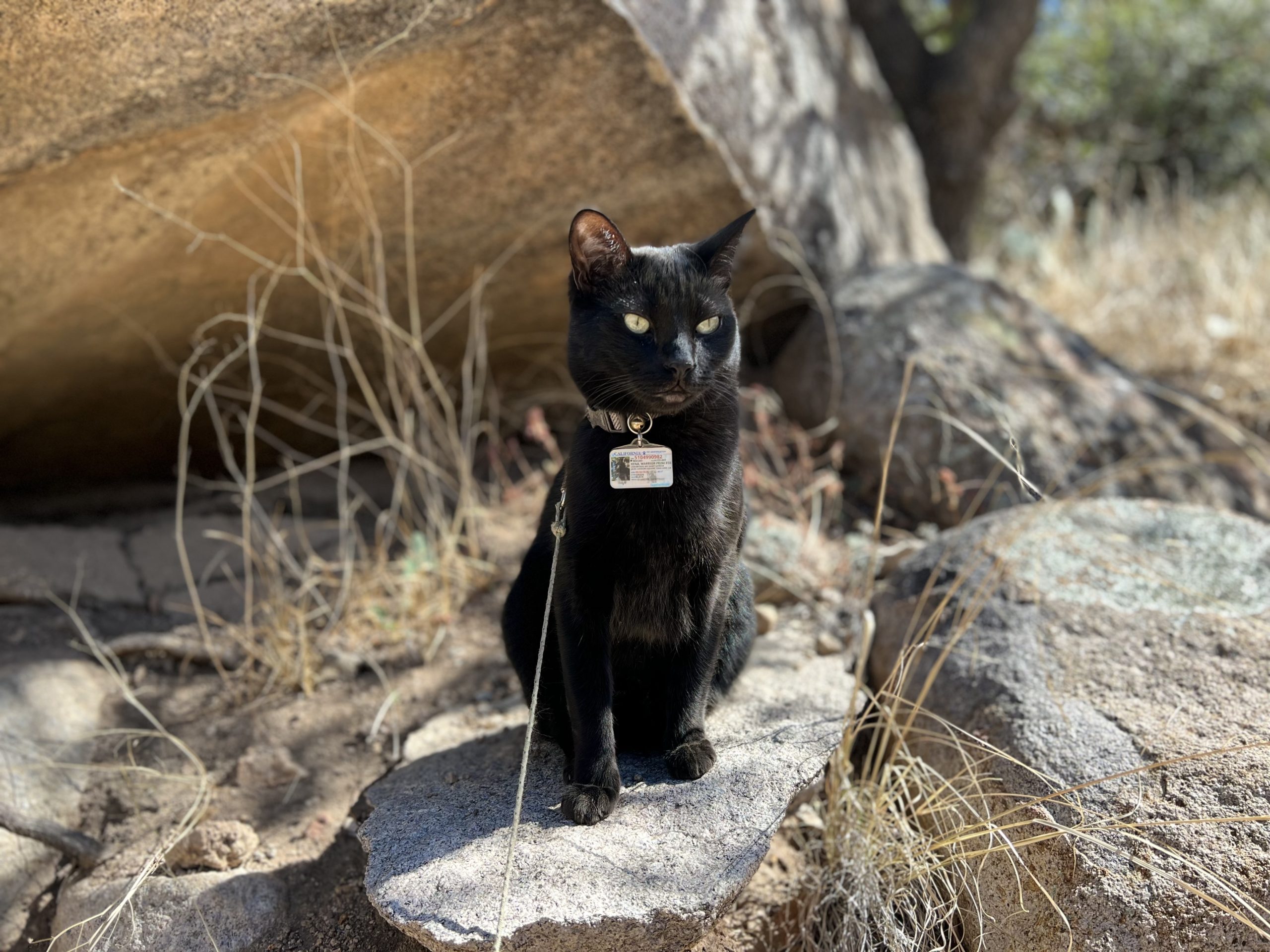
    This is a gratuitous image of a black cat, Xena, the Warrior Princess; neither the image nor the cat was uncovered during the excavation of Mesilla.

  • A Brief History of The Alamo


    10,000 to 13,000 years ago, people migrated across the Aluetian Land bridge and settled throughout the Americas. They lived there in harmony with the land and in relative peace for 10,000 to 13,000 years in the region now known as Texas.

    Starting around 1500 and continuing for about 300 years, a group of state-sponsored terrorists and pirates arrived from Spain; they were appropriately called conquistadors, meaning conquerors. They implemented a pogrom of genocide against Native Americans using biological warfare and outright violence, capitalizing on their technological prowess. Those Native Americans not killed outright were compelled to construct a series of concentration camps known as Missions. At these camps, Native Americans were imprisoned and forced to worship a god alien to their ways.

    In 1810, a competing gang of thieves arose in the New World, who called themselves Mexicanos, or Mexicans. They engaged the Spanish gang for control of the Native American lands and ultimately drove them out in 1821. Rather than returning the stolen land to the Native Americans, they continued the pogroms of the first band of pirates.

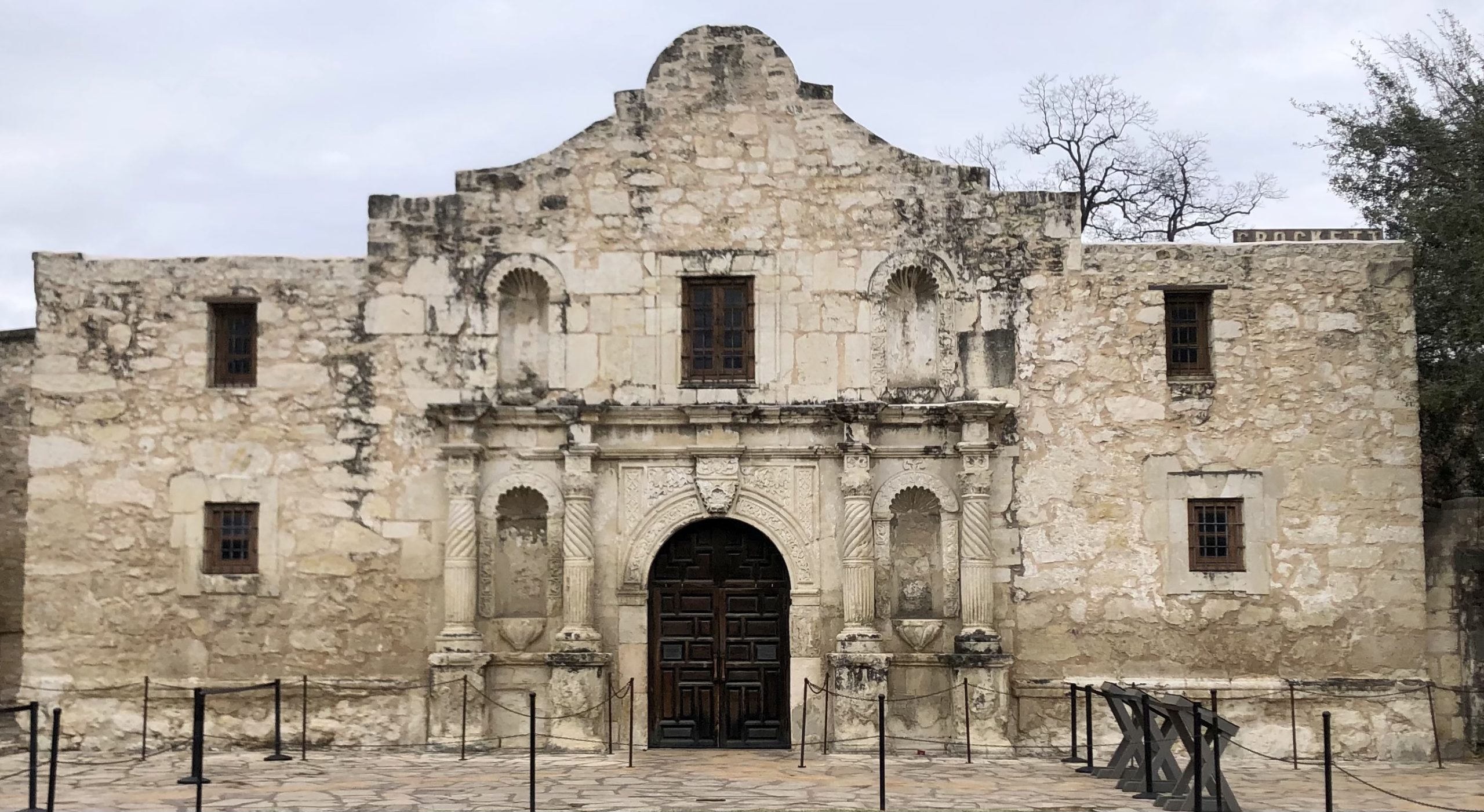
    In 1835, a third terrorist band of thieves arose, sanctioned, if not sponsored, by the American government. They engaged the Mexicano gang and suffered a humiliating defeat at The Alamo. Surprisingly, to this day, Texans and their American sponsors wallow in their humiliation, treating the site and the incompetent leadership of the American gang with awe and reverence.

    Aftermath: the American thieves used their defeat as a rallying cry and mounted a counter-offensive against the Mexican thieves and consummated the theft of Native American territory from the second band of thieves in 1835. The Americans continued the genocidal pogroms of the Mexicans and expanded the construction of concentration camps, now called reservations. Notably, they institutionalized  the enslavement the few Native Americans remaining and engaged in a deliberate policy of cultural obliteration. None of the land has been returned to its rightful owners to this day in 2022.

  • Santa Fe

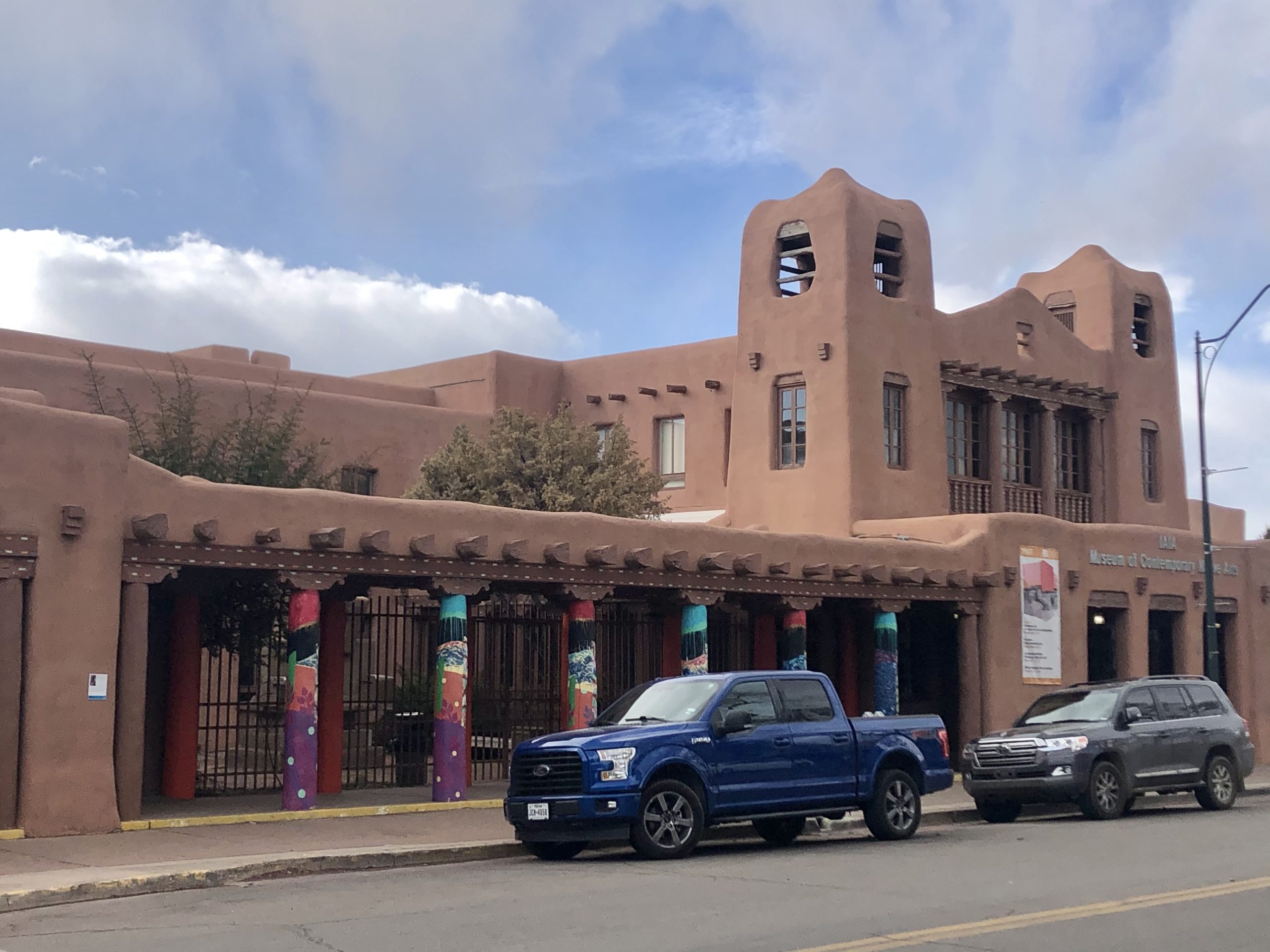
    The City of Santa Fe (Spanish for Holy Faith, but no mention of which one) is nestled in the north of New Mexico. A river runs through it! Many tourists. There is even a state capitol there! Spread the word, it’s a nice place to visit.

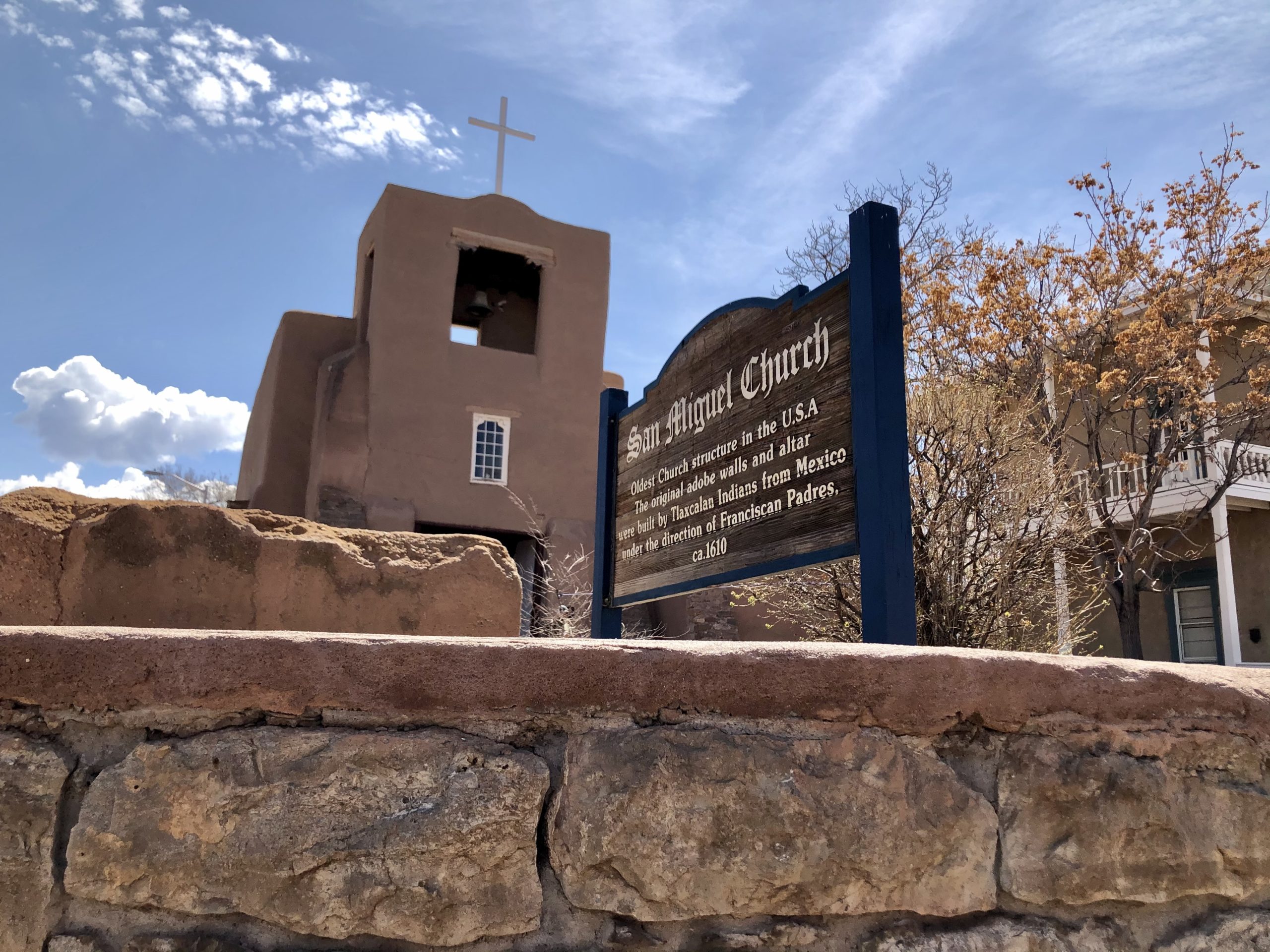
    In Santa Fe, skilled artisans known as “daubers” create elaborate structures out of dirt and spit.

    Oldest church structure in the US! Constructed by enslaved Native Americans.

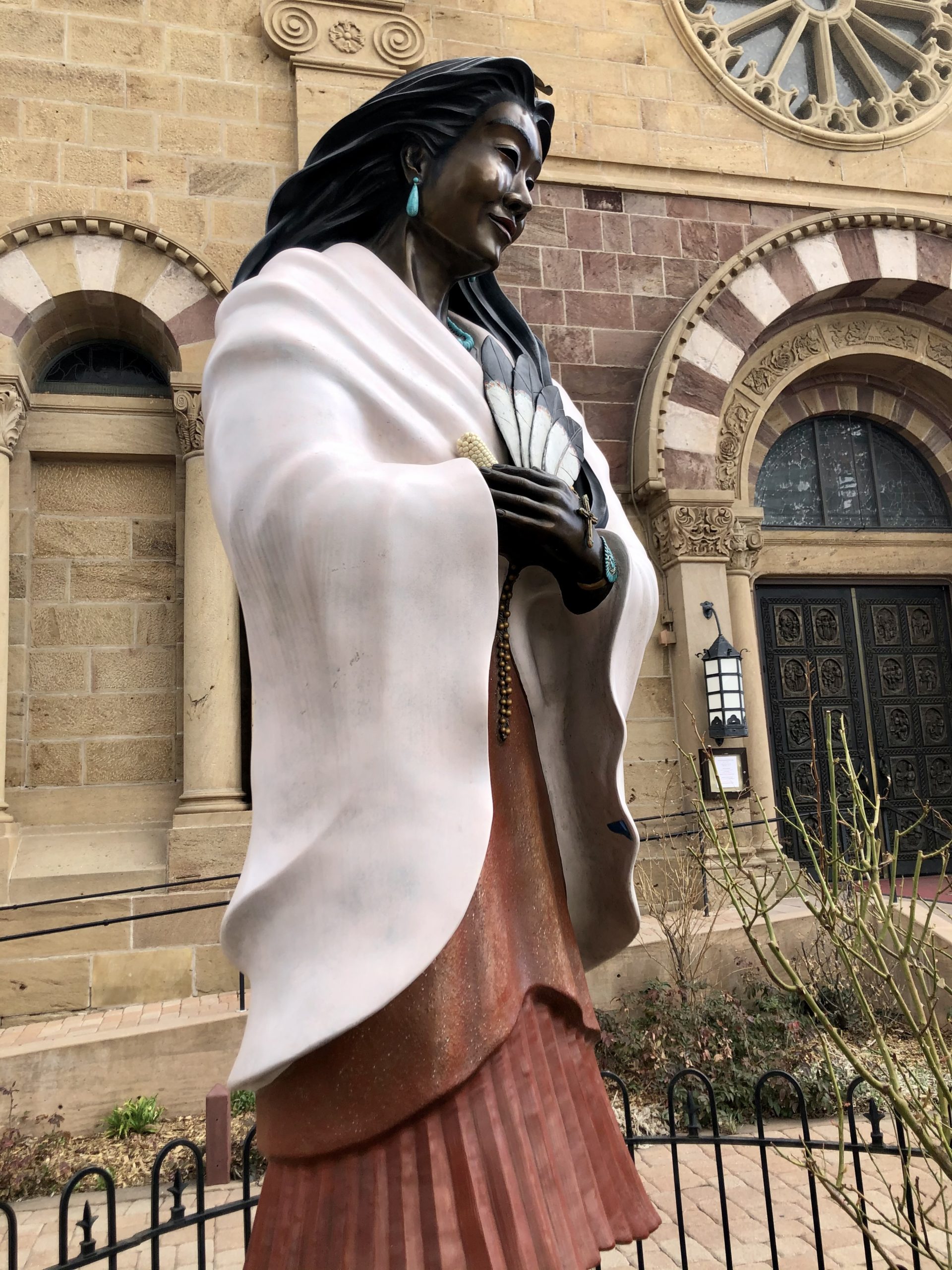
    Statue of Keteri Tekakwitha, first Native American canonized by the Roman Catholic cultural imperialists.

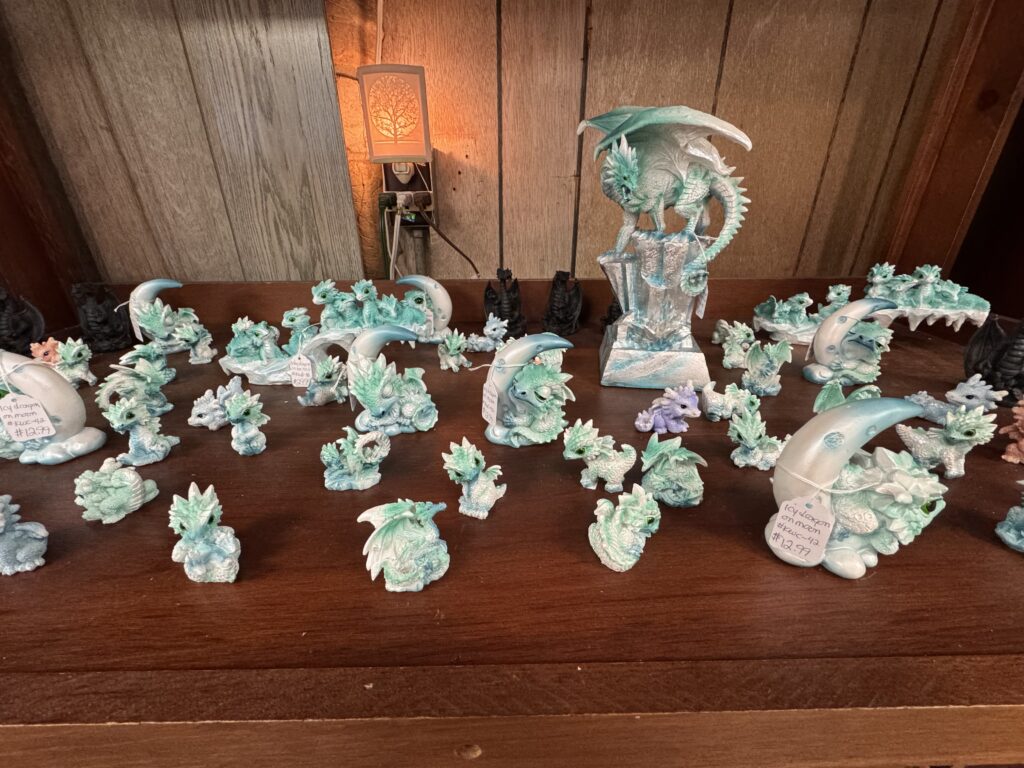
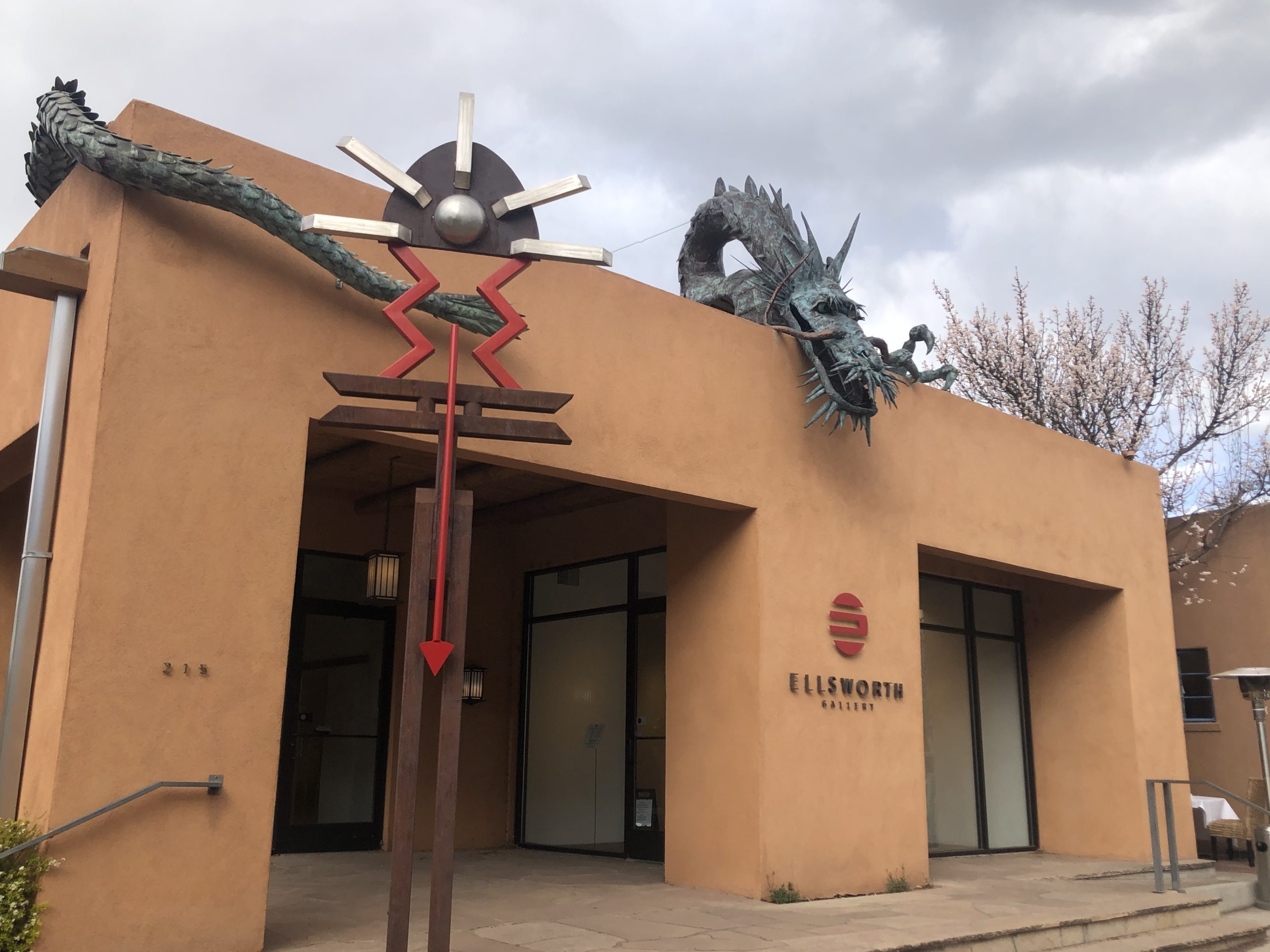
    In Santa Fe, they have a hostel for visiting dragons.


  • Manzanar, American Concentration Camps

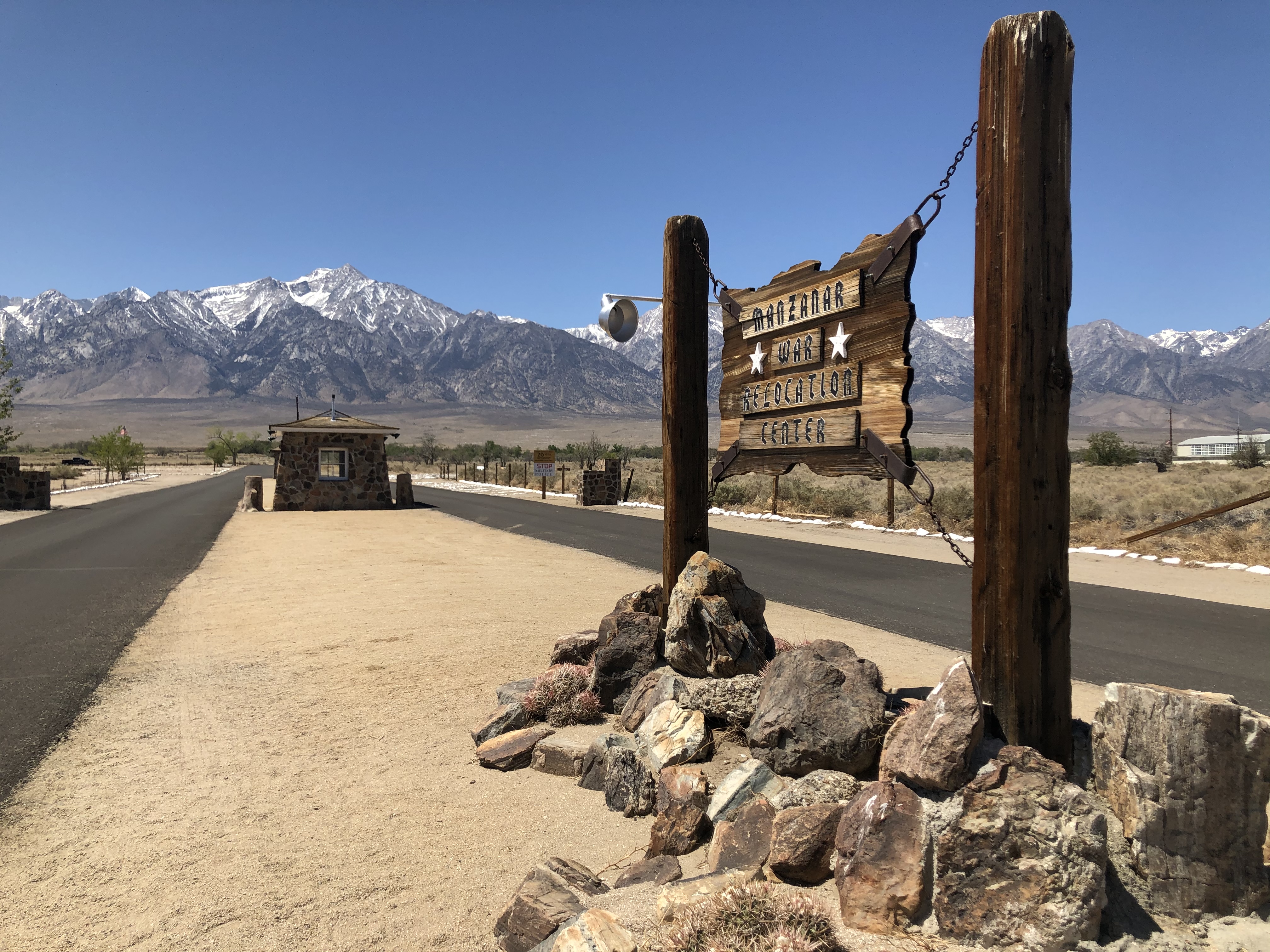
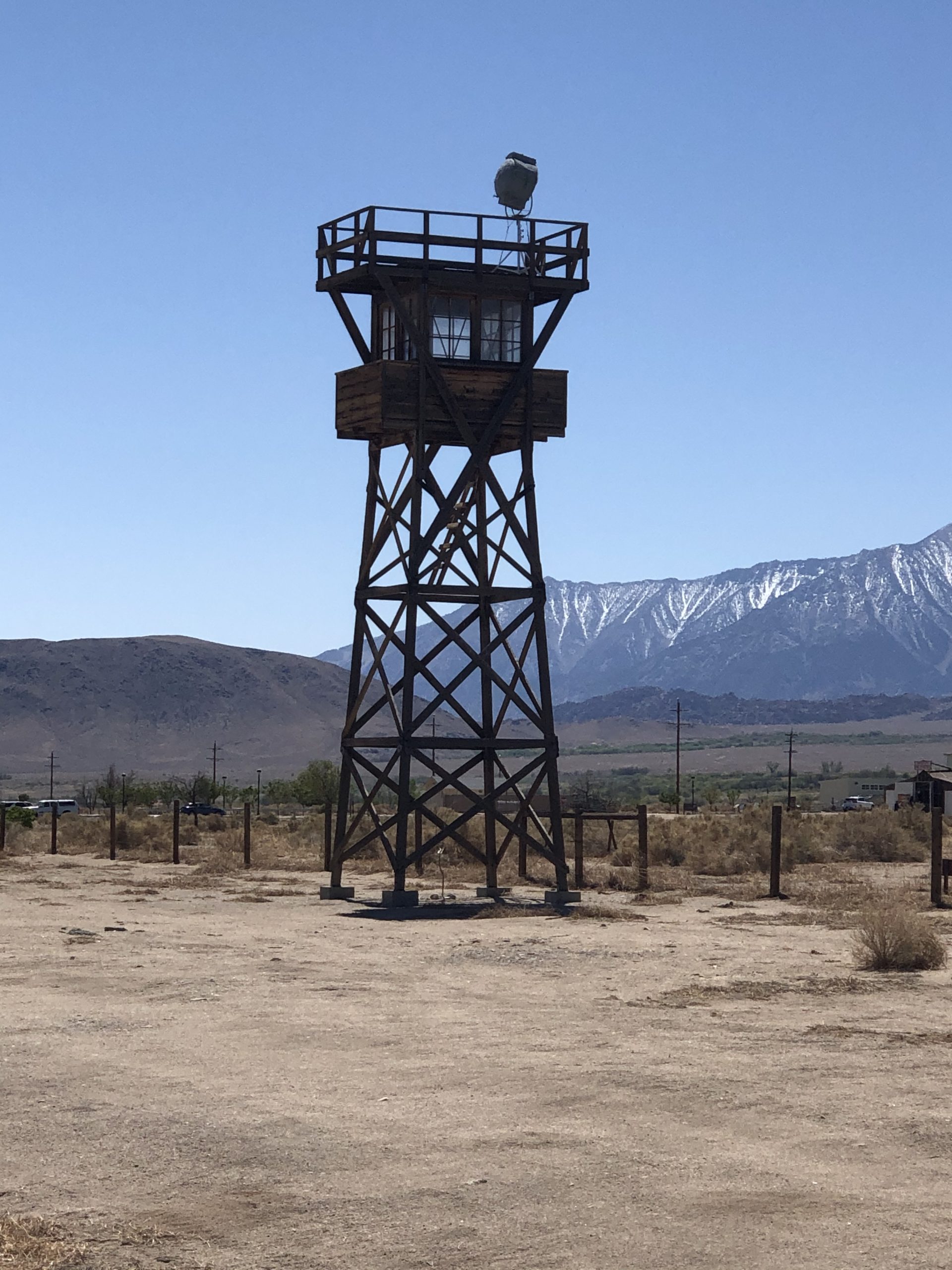
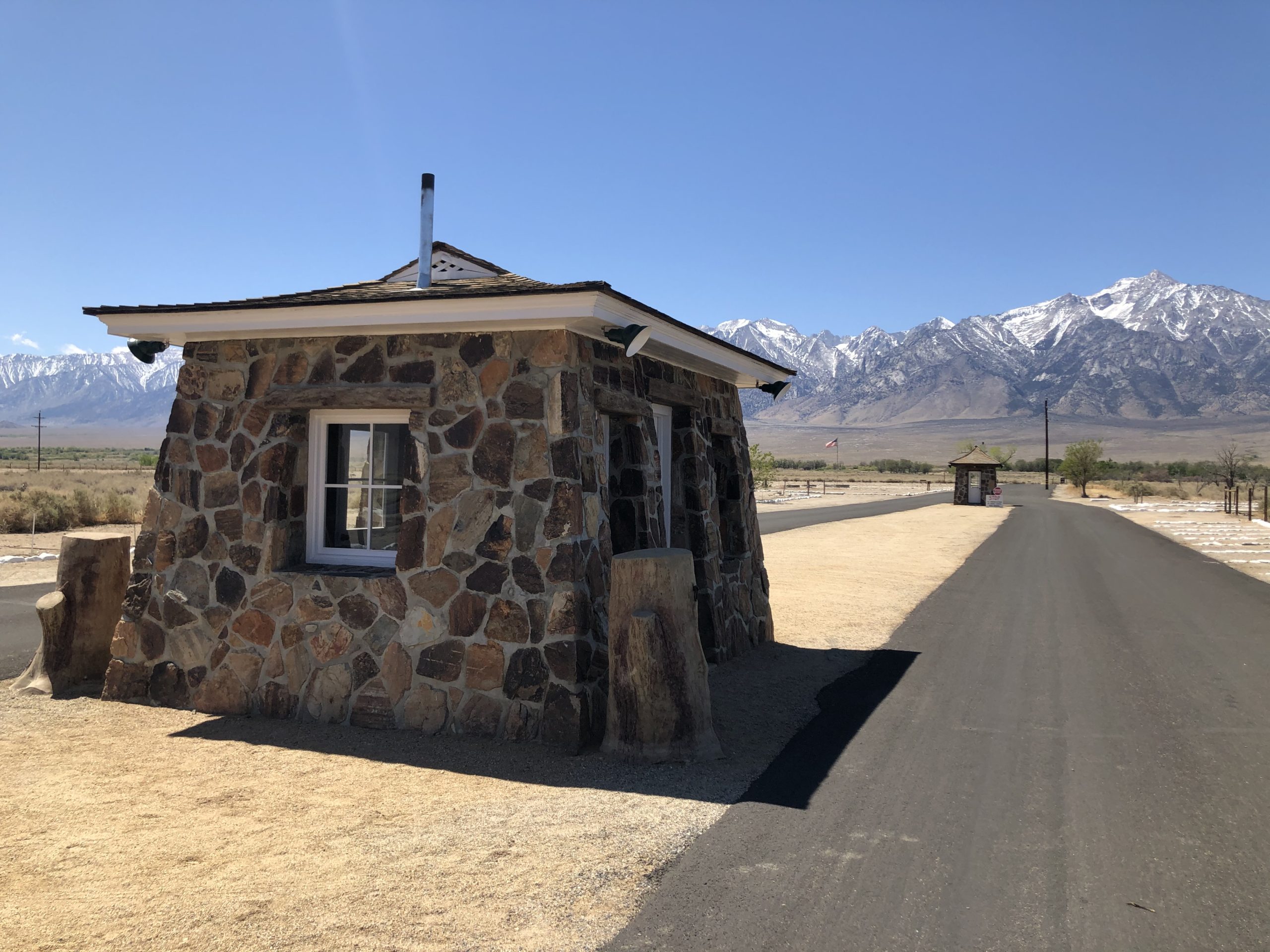
    Manzanar is the internment camp in bleak, desolate Owens Valley, California, that housed Americans of Japanese ancestry during War World II. The site is now a National Historic Site, but there’s not much left to see. Survivors received $20,000 from the Federal Government in reparations. The curious can read more about it: https://en.wikipedia.org/wiki/Manzanar

    Sign at the front gate of the Manzanar Ware Relocation Center.